
Black Peter
1964
No user ratings available yet
Diversity score: 2.6 out of 10
1969
RDirector
Arthur Penn
Runtime
111 minutes
Average Rating
No ratings yetSynopsis
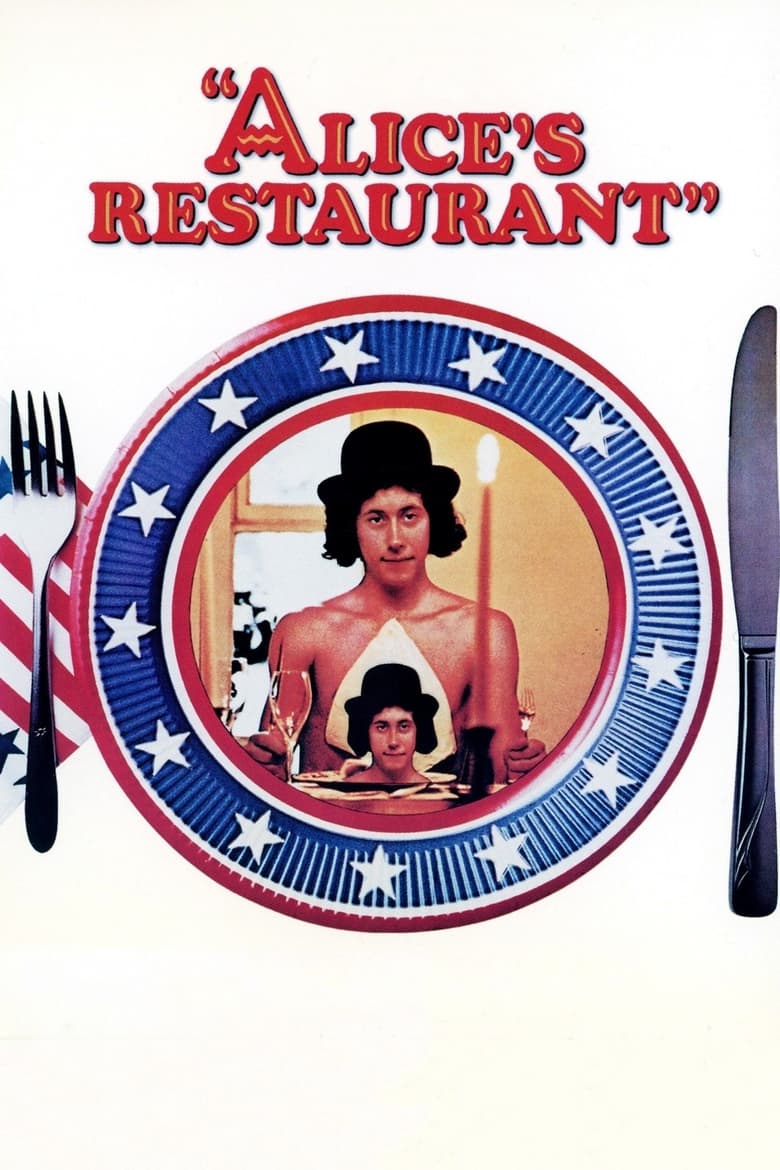
After getting kicked out of college, Arlo decides to visit his friend Alice for Thanksgiving dinner. After dinner is over, Arlo volunteers to take the trash to the dump but finds it closed for the holiday, so he dumps the trash in the bottom of a ravine. This act of littering gets him arrested and sends him on a bizarre journey.
Overall Score
Fair
Category Breakdown
LGBTQ+ Representation
The film focuses on 1960s counterculture dynamics but lacks explicit LGBTQ+ identities. There are no queer-coded characters or depictions of same-sex intimacy to critique heteronormativity.
Gender Representation
Female characters exist within a communal lifestyle that disrupts traditional nuclear family models. However, they function as part of a social ecosystem rather than as specific agents of gender subversion.
Racial & Ethnic Diversity
The setting reflects a predominantly white, middle-class youth movement in the Berkshires. The central group lacks intersectional casting or diverse ethnic representation.
Religious & Cultural Diversity
The narrative offers a profound critique of Western institutions and state authority. It prioritizes communalism and personal liberation over capitalist competition and military mandates.
Disability Representation
There are no prominent depictions of physical or neurodivergent disabilities that serve as central plot points or character arcs.
Strengths
Areas for Improvement
AI Analysis
Alice's Restaurant is a seminal piece of New Hollywood that excels in cultural subversion while remaining demographically narrow. It successfully deconstructs mid-century social norms by championing an anti-establishment, communal ethos over traditional capitalist and state-driven structures. However, the film's demographic breadth is limited. The focus on a specific white, middle-class counterculture results in low scores for racial and LGBTQ+ representation. It captures a specific moment in time rather than providing a diverse social tapestry. Ultimately, the film's strength lies in its ideological challenge to the status quo. While it lacks intersectional visibility, its rejection of institutional authority provides a significant cultural critique of the era.
1964

1994

1968
1970

1974

1974

1964

1967
No reviews yet. Be the first to share your thoughts on this movie!
Use the rating form above to leave a star rating and optional review.