
Daisies
1966
No user ratings available yet
Representation score: 5.9 out of 10
Representation Score
Minimal
1968
Director
Chantal Akerman
Runtime
13 minutes
Average Rating
No ratings yetNew Showbiz Analysis
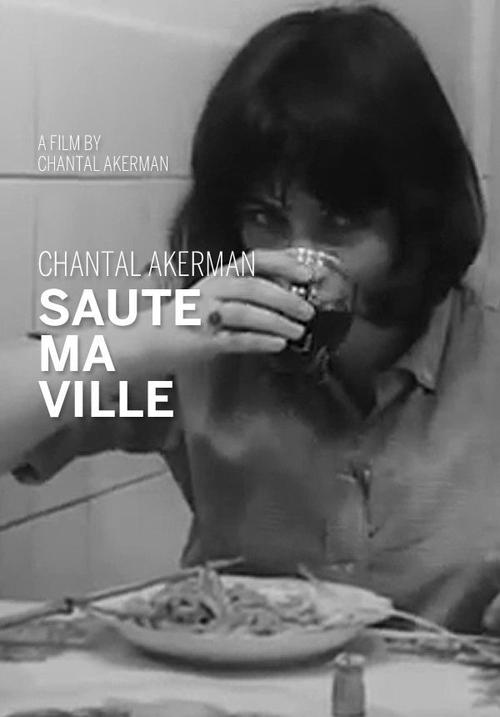
Saute ma ville is an experimental film that disrupts traditional cinematic norms. While it does not engage in overt identity politics, it is significant for its early exploration of the domestic and urban gaze. The film's strength lies in its rejection of traditional narrative structures, but it lacks the specific demographic breadth needed for a higher score.
Category Breakdown
The film is a brief, experimental work that does not depict LGBTQ+ identities or interpersonal dynamics.
The film challenges traditional expectations by focusing on a domestic, subjective perspective rather than patriarchal storytelling.
There is no evidence of a diverse cast or intentional exploration of racial identities.
The work critiques Western cinema's focus on linear progress by emphasizing a subjective, non-linear reality.
The film focuses on urban rhythm and fragmented perception without addressing physical or neurodivergent identities.
Present on Screen
Limited or Absent
Official Synopsis
Suburbs of Brussels. A young woman locks herself in the kitchen of her apartment, as she blissfully devotes herself to dismantling the household chores, frenetically humming as she goes. A burlesque pamphlet against female alienation.
1966

1967

1972

1977
1983

1977

1974
1974
No reviews yet. Be the first to share your thoughts on this movie!
Use the rating form above to leave a star rating and optional review.