69
2004
No user ratings available yet
Diversity score: 5.2 out of 10
1994
RDirector
Floyd Mutrux
Runtime
99 minutes
Average Rating
No ratings yetSynopsis
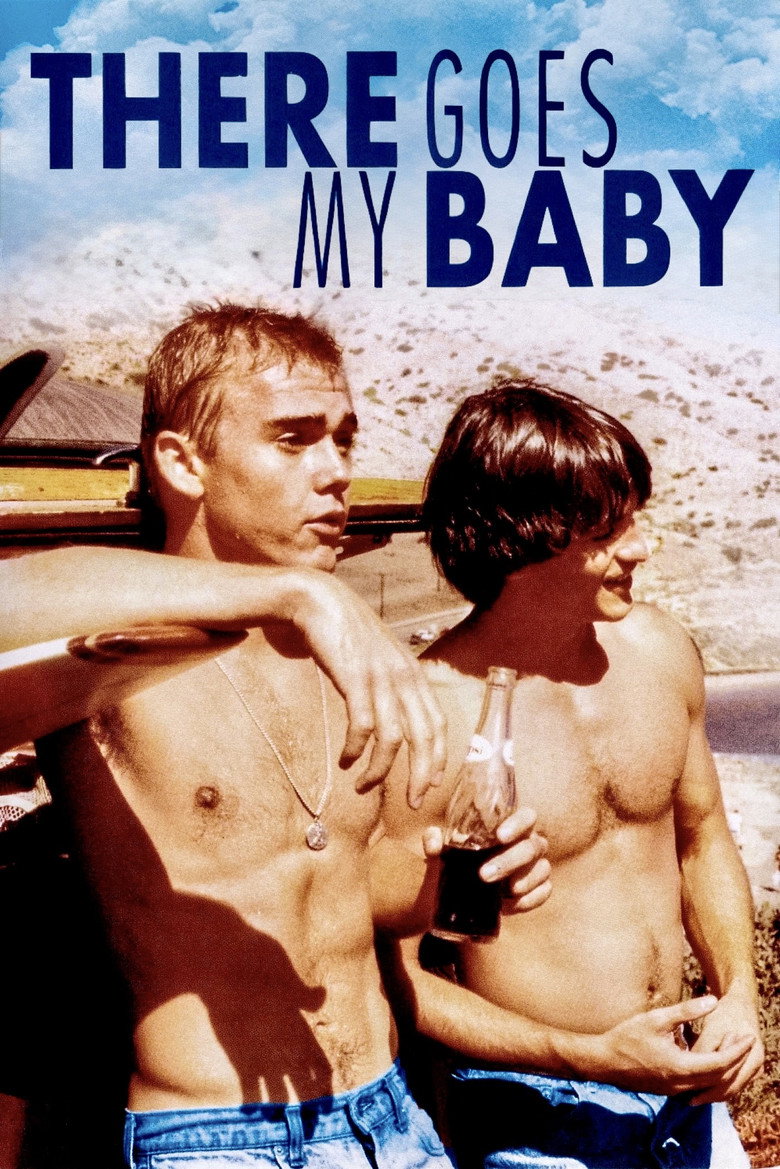
It's the summer of 1965, and the members of the graduating class of upscale Westwood High are eager to reinvent themselves. Valedictorian Mary Beth wants to attend a liberal university. Surfer bum Stick plans to enlist to fight in Vietnam. Calvin lives in the poor Watts section of Los Angeles, which is slowly erupting in violence. As the summer nights grow long, they'll all be forced to make decisions that will affect the rest of their lives.
Overall Score
Good
Category Breakdown
LGBTQ+ Representation
The film focuses on traditional coming-of-age tropes of the 1960s. There is no explicit evidence of queer narratives or non-heteronormative identities within the central trio.
Gender Representation
Mary Beth’s role as an intellectually driven valedictorian subverts mid-60s domestic femininity. Her desire for a liberal education challenges the era's traditional gender expectations.
Racial & Ethnic Diversity
The narrative prioritizes the lived experience of Black Los Angeles by juxtaposing upscale Westwood with the Watts district. This framing makes racial tension central to the drama.
Religious & Cultural Diversity
The story engages with social upheaval through the depiction of the Watts riots and Vietnam War tensions. It views traditional social hierarchies as sites of conflict.
Disability Representation
The available narrative details do not mention characters navigating physical or neurodivergent disabilities.
Strengths
Areas for Improvement
AI Analysis
There Goes My Baby avoids a monolithic view of 1960s Americana by highlighting the friction between different demographic realities. It uses the transition from adolescence to adulthood to explore the widening chasm between socioeconomic and racial classes. The film's strength lies in its structural commitment to exploring racialized urban conflict and the subversion of academic gender norms. It moves beyond tokenism by making systemic instability a core dramatic element. However, the film lacks explicit focus on LGBTQ+ or disability representation. The narrative remains centered on the divergent paths of a specific trio within a traditional social framework.
2004

1996
1974
1969

2005

2022
1970
1999
1981
1996
1973
2000
No reviews yet. Be the first to share your thoughts on this movie!
Use the rating form above to leave a star rating and optional review.