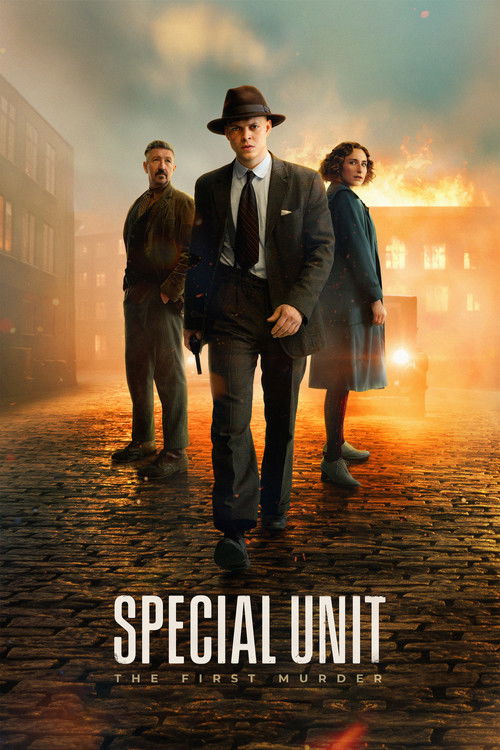
Special Unit - The First Murder
2025
No user ratings available yet
Representation score: 5.0 out of 10
Representation Score
Fair
2021
Director
Stefan Ruzowitzky
Runtime
98 minutes
Average Rating
No ratings yetNew Showbiz Analysis
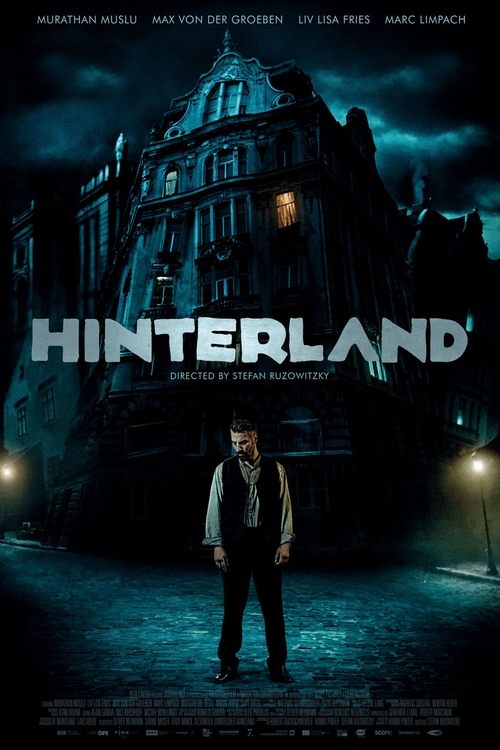
Hinterland succeeds in challenging traditional gender roles by positioning a female professional as an intellectual equal to the male lead. The film's strength lies in its sophisticated cultural critique of post-war institutional instability and moral ambiguity. However, the narrative appears limited by a lack of visible racial and LGBTQ+ diversity. The focus remains heavily on the domestic experiences of veterans within a potentially homogeneous historical setting. Ultimately, the film offers a nuanced look at a crumbling social order but lacks the breadth of representation required for a higher diversity score.
Category Breakdown
The story focuses on the relationship between Peter Perg and Theresa Körner. There are no explicit mentions of LGBTQ+ characters or non-straight relationships.
Theresa Körner serves as a central intellectual partner rather than a passive love interest. She plays a significant role in driving the story and specialized expertise in the investigation.
The film centers on the domestic social shifts of the Austrian Republic. It lacks specific evidence of a multi-ethnic cast or non-European perspectives in its historical reconstruction.
The film explores the instability of the post-war Austrian Republic. It critiques established authority and institutional morality by highlighting the tension between artistic freedom and anti-democratic movements.
There is no specific information regarding the portrayal of physical or neurodivergent disabilities. While the protagonist is a war veteran, his specific trauma is not detailed.
Present on Screen
Limited or Absent
Official Synopsis
Vienna, 1920. The Austro-Hungarian Empire has collapsed. Peter Perg returns home from the Great War, after years of captivity. But the Vienna he comes home to is nothing like the place he once knew. The new Austrian Republic thrives on social and artistic freedom, but anti-democratic movements and unemployment loom overhead. A stranger in his hometown, his life takes a turn for the worse when one of his former comrades is murdered. Suddenly the mysterious killings of veterans are mounting. Personally connected to the victims, Perg decides to bring the killer to justice. He finds an ally in the cool-headed forensic doctor Theresa Körner, with whom he has a deeper, shared history. Their investigation leads them into the darkest corners of the city, as they confront a brutal and systematic killer and intrigues from within the police force. But when the killer’s net closes around Perg himself, he faces the moral dilemma of his life.
2025
2010
1991
2009
2017
2010
2019
2009
No reviews yet. Be the first to share your thoughts on this movie!
Use the rating form above to leave a star rating and optional review.