A Paper Tiger
2008
No user ratings available yet
Diversity score: 7.0 out of 10
1994
Director
Mika Kaurismäki
Runtime
75 minutes
Average Rating
No ratings yetSynopsis
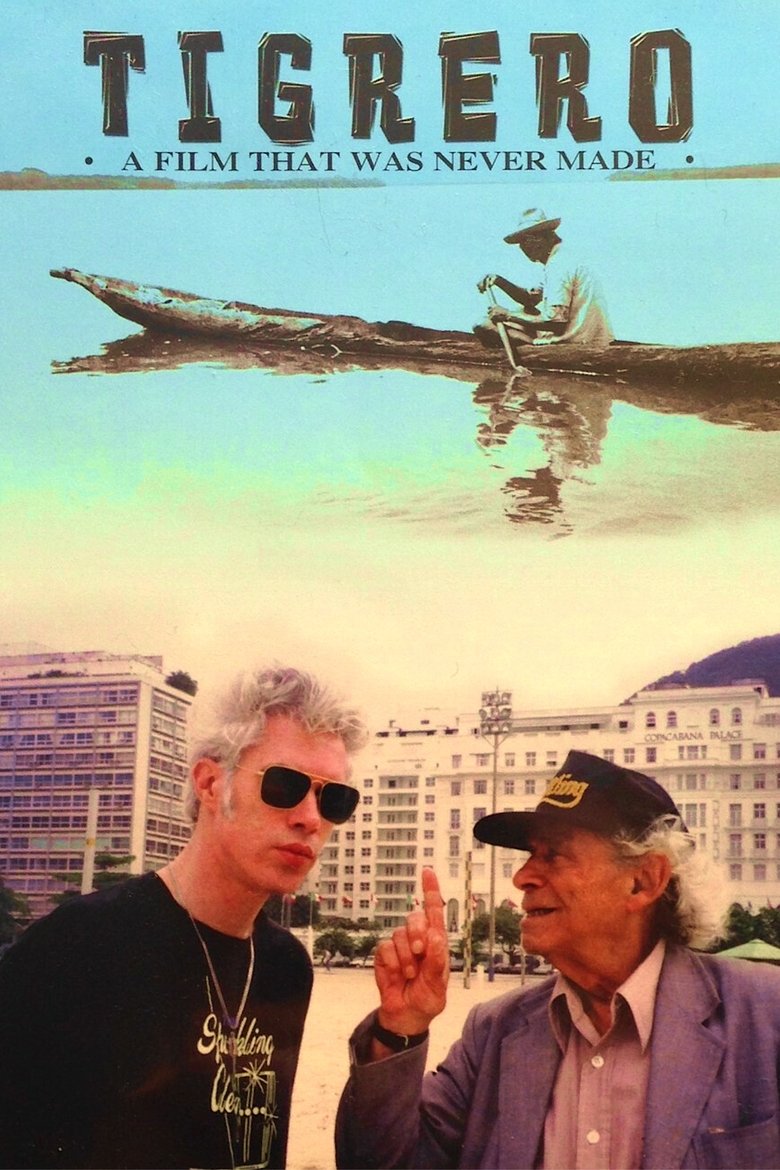
In 1993, Sam Fuller takes Jim Jarmusch on a trip into Brazil's Mato Grosso, up the River Araguaia to the village of Santa Isabel Do Morro, where 40 years before, Zanuck had sent Fuller to scout a location and write a script for a movie based on a tigrero, a jaguar hunter. Sam hopes to find people who remember him, and he takes film he shot in 1954. He's Rip Van Winkle, and, indeed, a great deal changed in the village. There are televisions, watches, and brick houses. But, the same Karajá culture awaits as well. He gathers the villagers to show his old film footage, and people recognize friends and relatives, thanking Fuller for momentarily bringing them back to life.
Overall Score
Good
Category Breakdown
LGBTQ+ Representation
The documentary focuses on ethnographic documentation rather than romantic dynamics. While no explicit queer identities are depicted, the film avoids imposing Western nuclear-family standards on the village's communal social structures.
Gender Representation
The film subverts the archetype of the conquering male explorer. By presenting Sam Fuller as a vulnerable, aging figure, it shifts focus away from the masculine myth of the solitary jaguar hunter.
Racial & Ethnic Diversity
The Karajá people are portrayed with agency rather than as static relics. The film highlights their adaptation to modernity and their active role in curating their own history through old footage.
Religious & Cultural Diversity
The narrative offers a post-colonial critique of Western capitalist impulses. It treats the arrival of modern technology and changing village architecture with observational nuance rather than Western judgment.
Disability Representation
There are no specific depictions of visible or invisible disabilities that serve as central narrative drivers in this work.
Strengths
Areas for Improvement
AI Analysis
Mika Kaurismäki’s documentary succeeds by disrupting the traditional 'explorer' trope. Instead of treating the Karajá people as passive subjects of a hunt, the film centers their agency and historical continuity. The work effectively juxtaposes Sam Fuller’s 1954 footage with the contemporary reality of Santa Isabel Do Morro. This creates a dialogue between past Hollywood ambitions and the enduring, evolving presence of the indigenous community. While the film lacks specific character arcs for LGBTQ+ or disability representation, it excels in its sophisticated handling of ethnic agency and its refusal to frame indigenous culture as a mere backdrop for Western protagonists.
2008

2010

2015
1989
2000
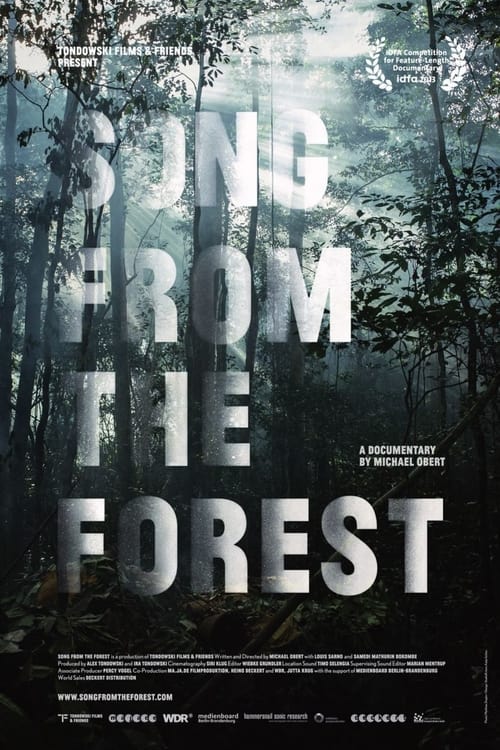
2014
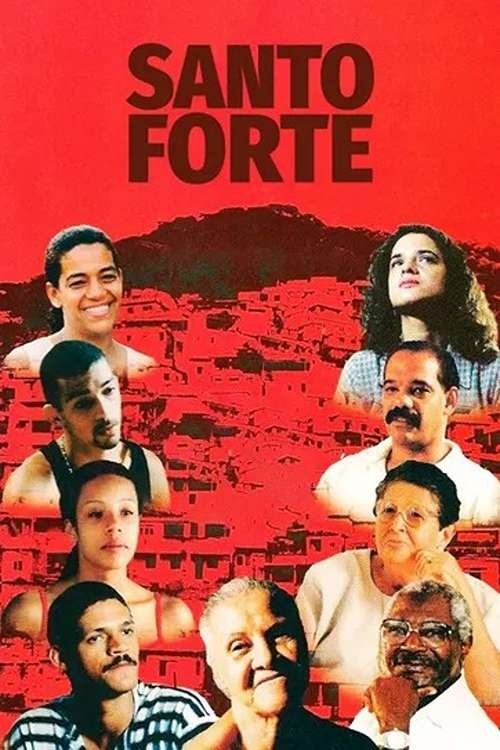
1999

2013
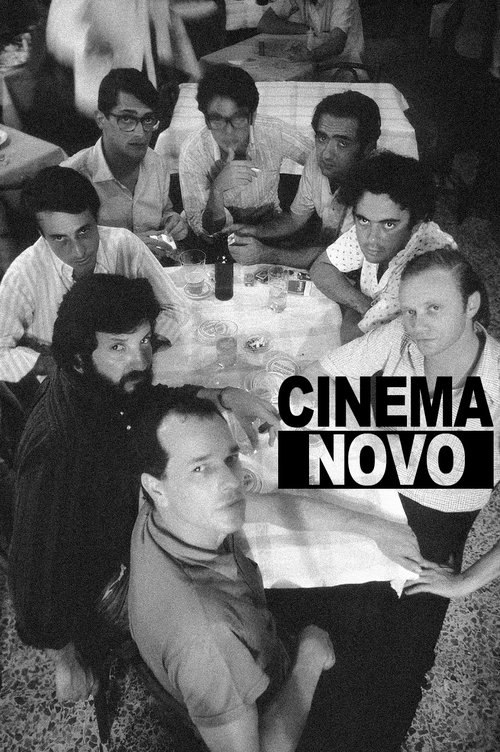
1967
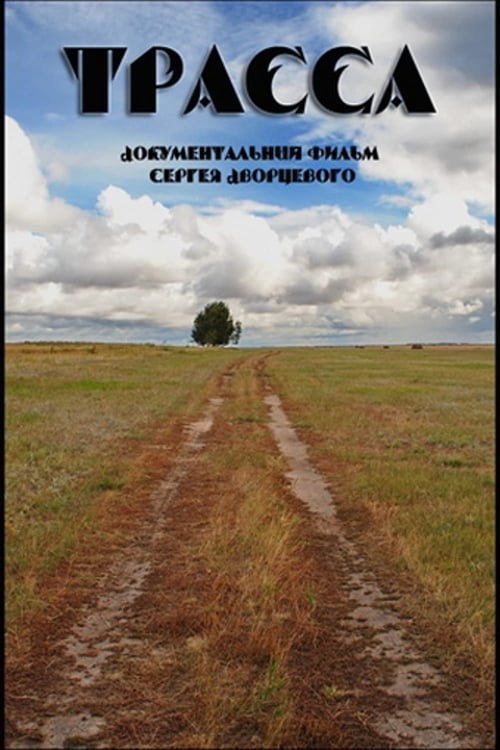
1999
1972

2006
No reviews yet. Be the first to share your thoughts on this movie!
Use the rating form above to leave a star rating and optional review.