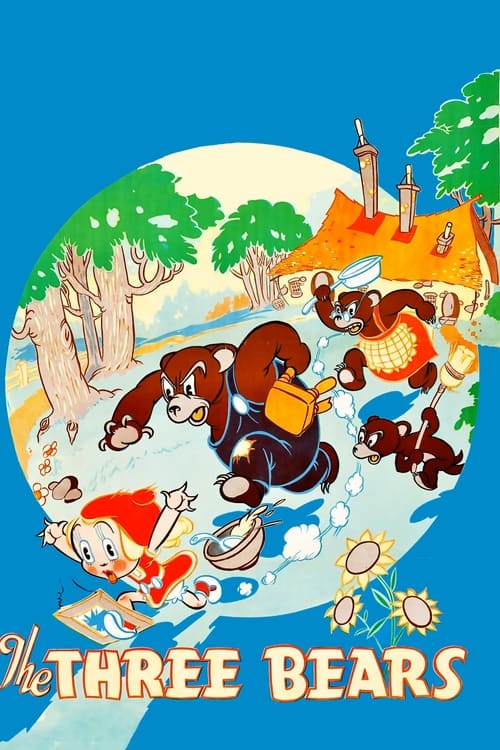
The Three Bears
1935
No user ratings available yet
Representation score: 0.8 out of 10
Representation Score
Minimal
1922
Runtime
7 minutes
Average Rating
No ratings yetNew Showbiz Analysis
This 1922 Laugh-O-Gram production serves as a foundational adaptation of Robert Southey's folklore. It prioritizes traditional narrative structures and moral frameworks over social subversion or multi-layered complexity. The film reflects the historical constraints of early silent animation, presenting a homogeneous cast and conventional domestic hierarchies. It functions as a preservation of classical storytelling rather than a diverse or inclusive work.
Category Breakdown
The film follows the standard gender and orientation expectations of the early 20th century. It centers on a singular protagonist and a nuclear family unit without any characters who identify differently from their assigned gender at birth.
Goldie Locks drives the plot as an inquisitive child, yet the narrative reinforces traditional domestic roles. The Bear family maintains a conventional hierarchy common to period folklore adaptations.
The cast appears uniform, reflecting the demographic norms of the 1920s Western animation industry. There is no indication of diverse ethnic representation or actors from different backgrounds.
The story operates within a traditional Western framework, emphasizing moral lessons about property and intrusion. It reinforces established social and familial orders rather than offering subversive critiques.
The narrative focus remains strictly on the central fairy tale conflict. There is no evidence of characters with visible or invisible disabilities.
Present on Screen
Limited or Absent
Official Synopsis
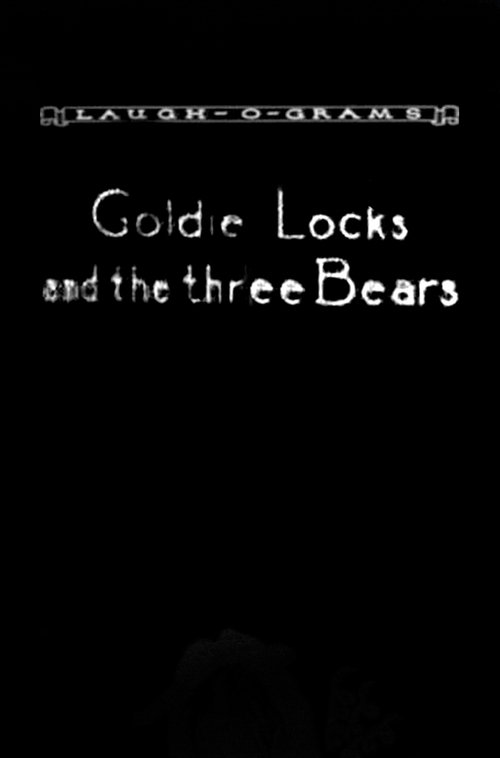
Goldie Locks and the Three Bears was a 1922 Laugh-O-Gram film directed by Walt Disney. The film was based on the fairy tale by Robert Southey.
1935
1947
1935
1936
1935

1921
1924

1923
No reviews yet. Be the first to share your thoughts on this movie!
Use the rating form above to leave a star rating and optional review.