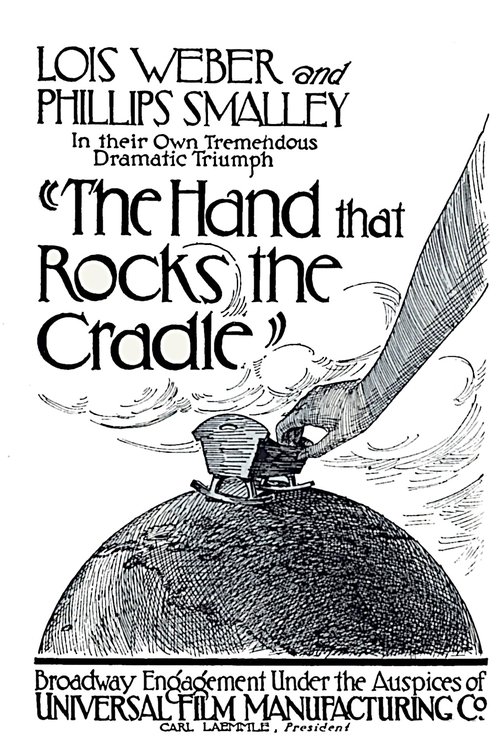
The Hand That Rocks the Cradle
1917
No user ratings available yet
Representation score: 2.8 out of 10
Representation Score
Limited
1914
Director
Pyotr Chardynin
Runtime
43 minutes
Average Rating
No ratings yetNew Showbiz Analysis
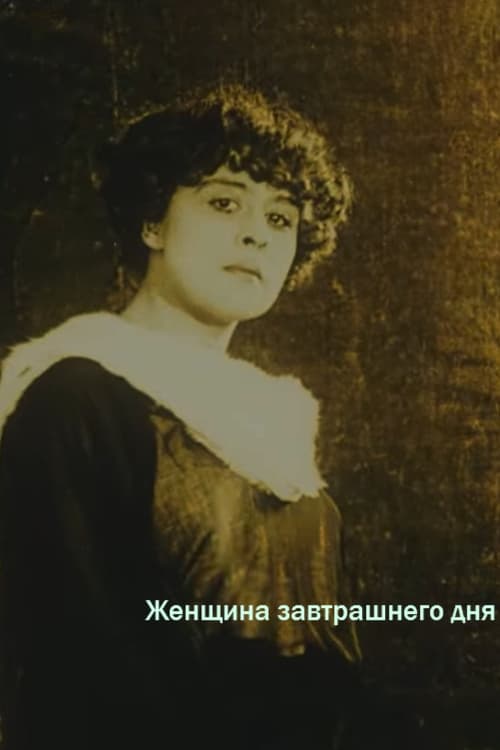
Pyotr Chardynin’s drama provides a nuanced exploration of early 20th-century social dynamics through the lens of a professional woman. By centering a female doctor's intellect and career, the film transcends traditional gender roles. However, the film lacks multi-layered racial diversity and LGBTQ+ representation. It also presents a cautionary tale about the potential downsides of female empowerment. Overall, the film functions as a complex melodrama that questions rigid social norms without fully endorsing modern feminist ideals.
Category Breakdown
The film focuses on a traditional love triangle involving a fiancé, a waitress, and a child. There is no depiction of LGBTQ+ identities or non-heterosexual relationships.
The movie centers around a female doctor whose career autonomy challenges traditional domestic roles. It highlights both the benefits and potential drawbacks of female empowerment.
Given its 1914 Russian origin, the film likely reflects the homogeneous demographics of its time. There is no indication of diverse racial casting or non-white characters.
The drama examines the tension between professional success and traditional family values through a subjective morality lens. It avoids simplistic moral lessons, instead delving into the complexities of societal expectations.
There is no specific mention of characters with visible or invisible disabilities.
Present on Screen
Limited or Absent
Official Synopsis
A female doctor is so busy with her work that she has too little time for her fiancé. He falls in love with a waitress and the two have a child. Though considered by some to be a proto-feminist yarn, the film dwells on the consequences that equal rights for women may generate rather than openly champion suffrage. Similar in to Ibsen's The Doll House in many ways, the film provides mannered, solemn melodrama, ably acted by Mosjoukine and Yureneva.
1917
1920
1909

1952

1918
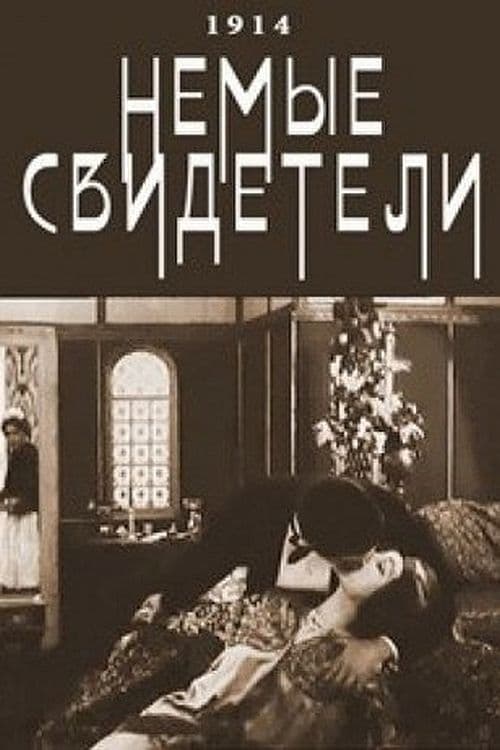
1914
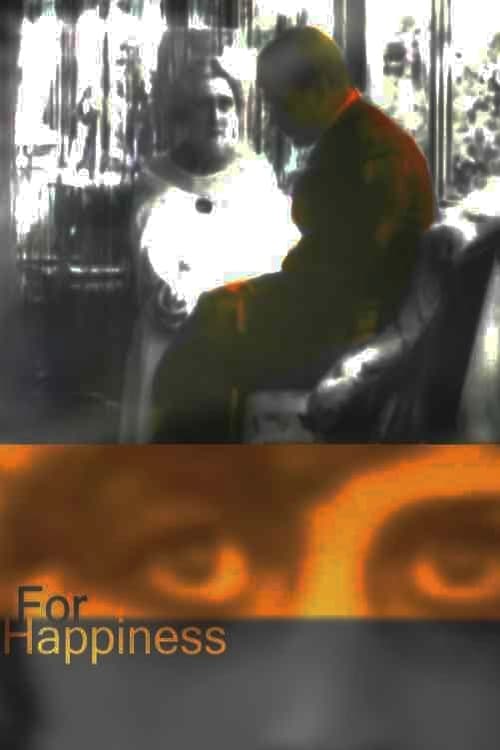
1917
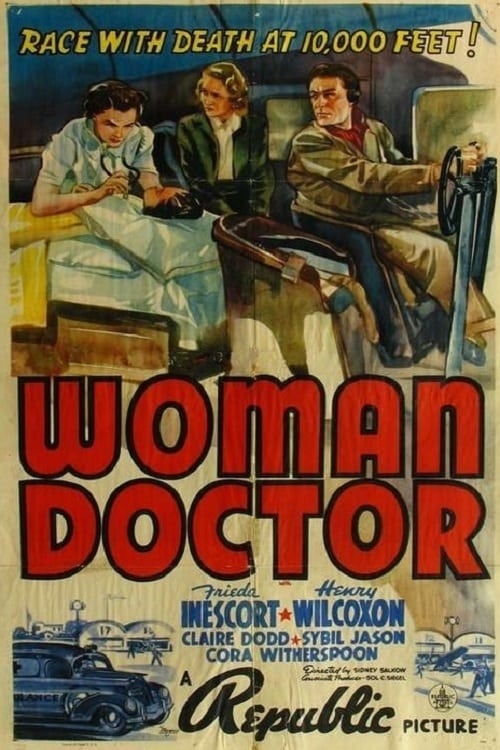
1939
No reviews yet. Be the first to share your thoughts on this movie!
Use the rating form above to leave a star rating and optional review.