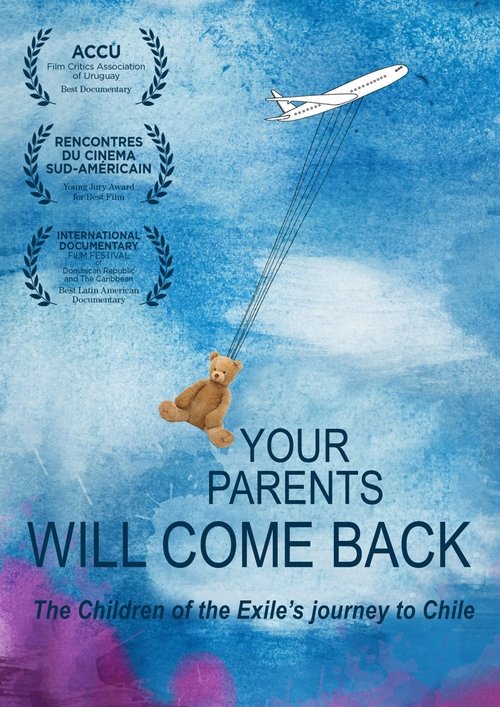
Your Parents Will Come Back
2015
No user ratings available yet
Representation score: 8.4 out of 10
Representation Score
Excellent
2001
Director
Jaime Camino
Runtime
93 minutes
Average Rating
No ratings yetNew Showbiz Analysis
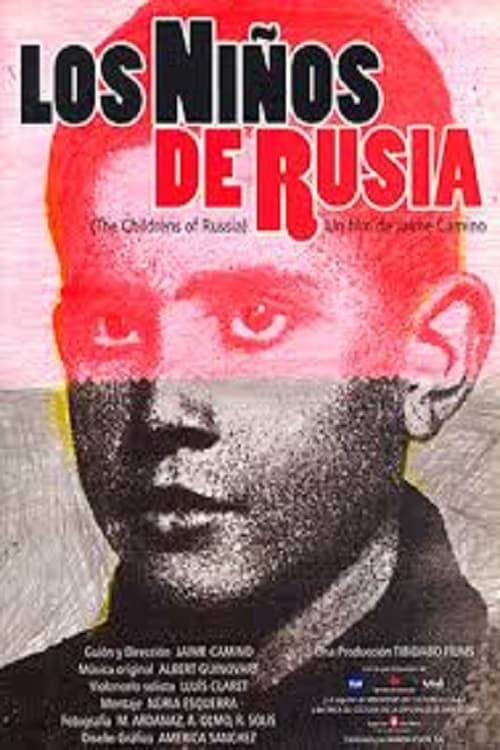
Jaime Camino’s documentary serves as a vital testimonial archive, shifting the lens of the Spanish Civil War from combatants to the displaced children. By centering the children evacuated to the Soviet Union, the film disrupts Eurocentric military narratives in favor of human-centric historical reclamation. The work succeeds in complicating the 'West vs. East' dichotomy through its focus on transnational solidarity. It provides a nuanced look at how systemic political failures and ideological warfare impact the most vulnerable members of society. While the film lacks specific focus on identity-based categories like LGBTQ+ or disability, it offers profound depth in its critique of state structures and cultural displacement.
Category Breakdown
The film maintains a neutral stance regarding queer identities, focusing instead on historical displacement and survival rather than contemporary LGBTQ+ themes.
The documentary highlights the role of children in navigating new social hierarchies, challenging traditional patriarchal structures by showing how state and familial systems failed to provide stability.
The film centers a non-Western geopolitical movement between Spain and the Soviet Union, highlighting cross-cultural integration and complicating standard Western views of the Spanish Civil War.
The narrative excels by critiquing Western institutional stability and the breakdown of the traditional family unit, emphasizing the impact of ideological warfare on individuals in exile.
There is no specific mention of characters with visible or invisible disabilities. The focus remains on the collective trauma of displacement rather than individual physical or neurodivergent experiences.
Present on Screen
Limited or Absent
Official Synopsis
Documentary about the evacuation in different countries, during the Spanish civil war, of thousands of Spanish children to remove them from the conflict. Approximately three thousand children were welcomed by the Soviet Union. Some of these children, now elderly people, tell us about their experiences during this trip that originally was to be a temporary evacuation and which many could not return until twenty years later.
2015
1998
1979
2021
2016
2000
2022

1939
No reviews yet. Be the first to share your thoughts on this movie!
Use the rating form above to leave a star rating and optional review.