Days
2021
No user ratings available yet
Diversity score: 6.2 out of 10
2012
Director
Tsai Ming-liang
Runtime
26 minutes
Average Rating
No ratings yetSynopsis
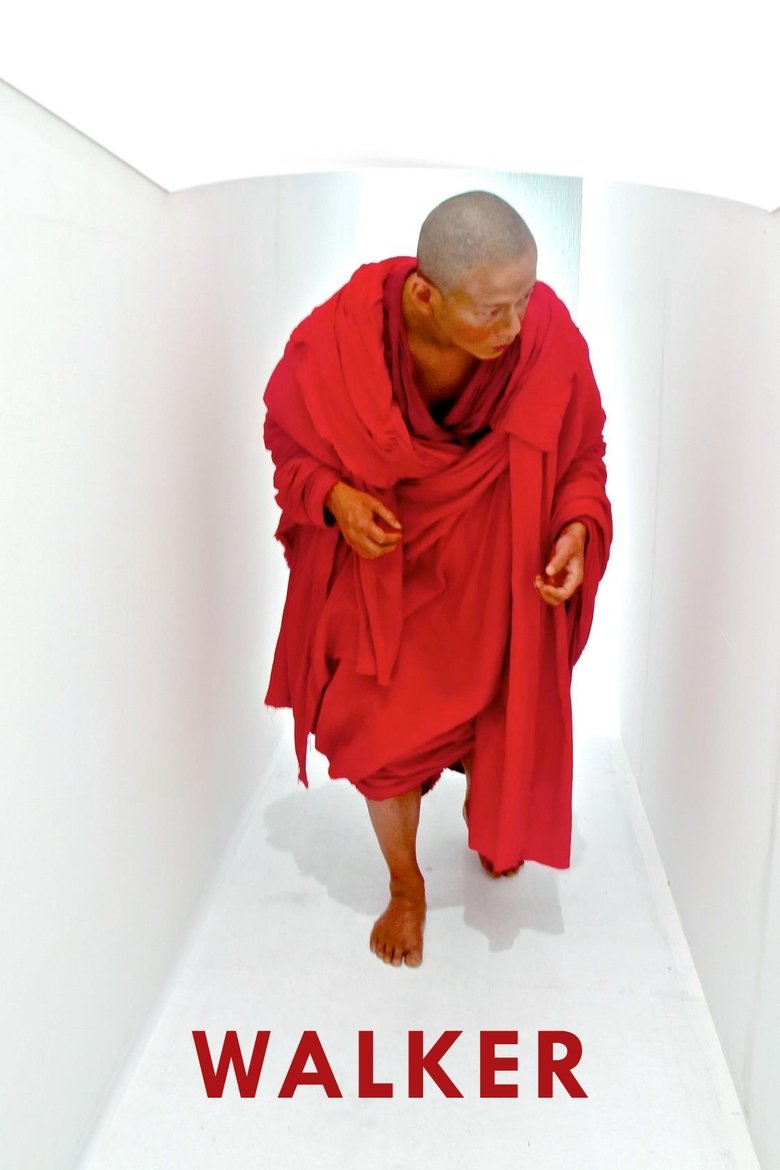
In 2012, the Hong Kong International Film Festival invited Tsai Ming-Ling to make the opening short film. Having grown up with Hong Kong's popular culture, Tsai Ming-Liang decided to pay homage by making a "Walker" film, contrasting the Walker's slowness with the frenzied pace of Hong Kong's cosmopolitan life. The film ends with a song by Hong Kong actor and singer Samuel Hui, who was Tsai Ming-Liang's idol during his youth. The film was invited to be the closing short film for the Cannes Film Festival in 2012.
Overall Score
Good
Category Breakdown
LGBTQ+ Representation
The film lacks explicit depictions of LGBTQ+ identities or romantic narratives. The focus remains on individual isolation and the breakdown of interpersonal connections.
Gender Representation
The narrative focuses almost exclusively on a solitary male protagonist. His existence is defined by lethargy and passivity rather than traditional masculine leadership or social agency.
Racial & Ethnic Diversity
The film features a predominantly East Asian cast rooted in Taipei and Hong Kong textures. It avoids a Western-centric gaze by centering an indigenous urban experience.
Religious & Cultural Diversity
The work critiques modern capitalist structures and the emptiness of consumerist culture. It frames the socioeconomic system as a source of alienation rather than meaning.
Disability Representation
The protagonist's extreme lethargy and social withdrawal may be interpreted as neurodivergence or mental health struggles. His stillness is treated as a valid mode of being.
Strengths
Areas for Improvement
AI Analysis
Tsai Ming-liang’s *Walker* is a meditative deconstruction of urban existence that prioritizes atmosphere over traditional plot. By utilizing extreme long takes and a decelerated rhythm, the film critiques the alienation inherent in contemporary cosmopolitan life. The film's primary strength is its refusal to adhere to Western-centric or consumerist norms, instead celebrating a localized, East Asian identity. It successfully subverts traditional social hierarchies by focusing on a protagonist who exists on the fringes of productivity. However, the film's narrow focus on a solitary male figure results in a minimal gender landscape. The lack of explicit LGBTQ+ representation or diverse social frameworks limits the breadth of its interpersonal exploration.
2021
2014
2003
2015
2001

2009

1995
2006
2011
1999
2000

2009
No reviews yet. Be the first to share your thoughts on this movie!
Use the rating form above to leave a star rating and optional review.