
Minoo Watch Tower
1996
No user ratings available yet
Representation score: 5.7 out of 10
Representation Score
Excellent
1993
Director
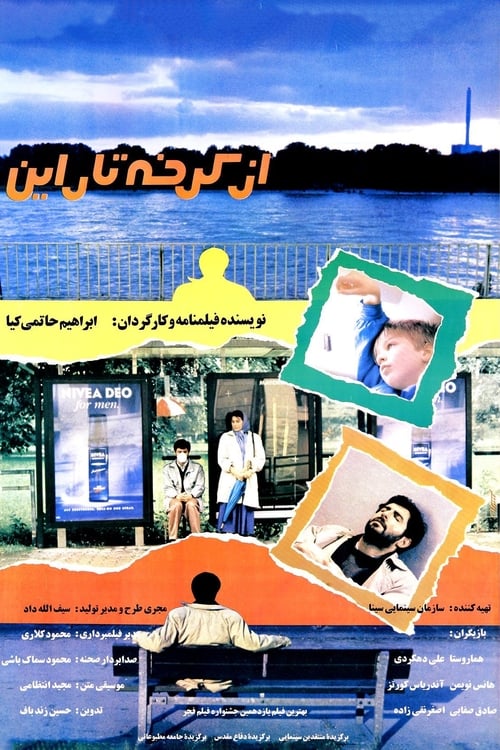
Ebrahim Hatamikia
Runtime
92 minutes
Average Rating
No ratings yetNew Showbiz Analysis
Ebrahim Hatamikia’s drama examines the human cost of the Iran-Iraq War by focusing on displacement and physical trauma. It breaks down traditional heroic archetypes, emphasizing the psychological and sensory experiences of a wounded veteran. The film effectively portrays disability and cross-cultural identity. By featuring an Iranian protagonist in a European setting, it challenges Western-centric views and delves into the complexities of ethnic integration and cultural displacement. However, the narrative remains traditionally focused on family and wartime themes. There is no explicit representation or narratives addressing LGBTQ+ identities.
Category Breakdown
The film does not include any explicit LGBTQ+ characters or stories. Instead, it focuses on family bonds and the trauma of war.
Leyla demonstrates independence and strength through her life in Germany. The film highlights the emotional impact of war rather than traditional combat scenarios.
The story centers on an Iranian character navigating a European environment. It explores Middle Eastern identity within a Western context through Leyla’s cross-cultural relationship.
The film critiques systemic violence without glorifying nationalism. It portrays the profound existential experience of being an outsider in a foreign land.
Saeed’s visual impairment is woven into his psychological journey. The film avoids using his condition merely as a plot device or a subject of pity.
Present on Screen
Limited or Absent
Official Synopsis
Young veteran Saeed, who is suffering from visual problems due to injuries sustained during the Iran-Iraq War, is sent to Germany for treatment and recuperation. Once there, he is reunited with his sister Leyla, who is now married to a German citizen. The siblings struggle to reconnect in a foreign land, while Saeed prepares himself for surgery that could change his life. A tragic exploration of the horrific repercussions of war.
1996
2013

2005

2000

1989

1989
1995
1994
No reviews yet. Be the first to share your thoughts on this movie!
Use the rating form above to leave a star rating and optional review.