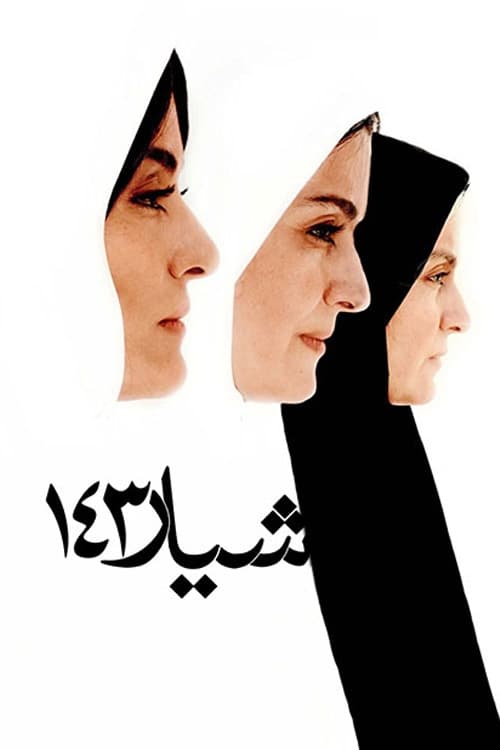
Track 143
2014
No user ratings available yet
Representation score: 7.0 out of 10

Representation Score
Excellent
2005
Director
Rakhshan Banietemad, Mohsen Abdolvahab
Runtime
84 minutes
Average Rating
No ratings yetNew Showbiz Analysis
Gilaneh is a powerful work of social realism that shifts the focus of war cinema from the battlefield to the domestic and social struggles of women. By centering a female protagonist, the film challenges patriarchal structures and explores the heavy toll of systemic judgment. The film excels in its nuanced portrayal of gender and disability, treating Ismael's condition as a lived reality rather than a plot device. It provides a sophisticated look at how communal morality and state pressures impact individual survival. While the film lacks LGBTQ+ representation, its deep dive into Iranian provincial life and the multi-layered struggles of motherhood and neurodivergence makes it a significant cinematic achievement.
Category Breakdown
The film does not include explicit LGBTQ+ characters or identities. While it explores female sexuality and reproductive choices, there is no queer-coded subtext or specific queer character arcs.
The narrative focuses on the female protagonist's struggle for autonomy against restrictive patriarchal hierarchies. It highlights the tension between individual freedom and societal constraints.
The film offers an authentic portrayal of Iranian identity within the Gilan province. It centers a non-Western perspective, providing depth to a demographic often sidelined in global cinema.
The story critiques traditional institutions and communal morality. It explores how personal ethics clash with rigid, punitive social and religious norms during times of systemic hardship.
Ismael’s epilepsy is shown as a result of war violence. The film avoids clichés, focusing instead on the realistic emotional labor and domestic complexity of caregiving.
Present on Screen
Limited or Absent
Official Synopsis
A mother's courage, hardship, and love, in times of war. In 1988, during the Iran-Iraq war, Gilane escorts her pregnant daughter, Maygol, from the relative calm of their village, Espili, into war-torn Tehran to search for Maygol's husband, Rahman. The journey is arduous and what they find when they reach the capital is dismaying and frightening. Fifteen years later, as another war begins in Iraq, Gillane is at home caring for her son Ismael, who suffers from epilepsy, a byproduct of war. As she cares for him, she hopes for a visit from the doctor and from another daughter, Atefah. "Better be a dog than a mother," she says.
2014
2013
2000
2019
2009
2018

2004
1967
No reviews yet. Be the first to share your thoughts on this movie!
Use the rating form above to leave a star rating and optional review.