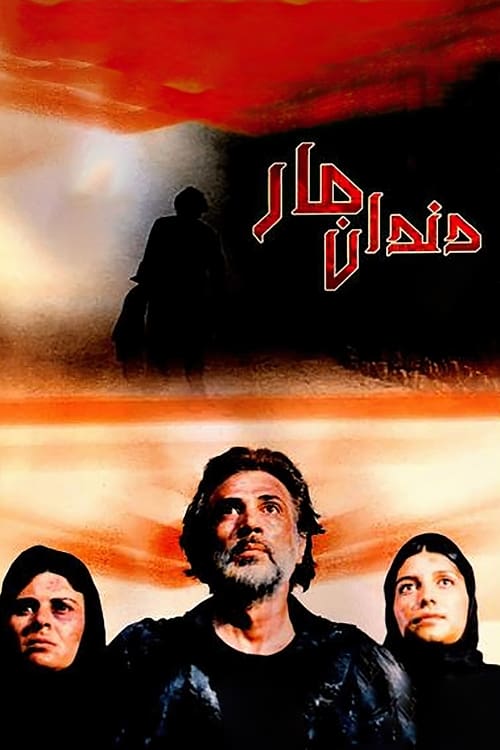
Snake's Fang
1990
No user ratings available yet
Representation score: 6.1 out of 10

Representation Score
Limited
1993
Director
Masoud Kimiai
Runtime
92 minutes
Average Rating
No ratings yetNew Showbiz Analysis
The Wolf's Trail is a character-driven drama that emphasizes traditional masculine bonds and the consequences of social transgressions. While it lacks diverse representation regarding gender or sexual identity, it offers a valuable non-Western perspective. The film’s strength lies in its potential to critique systemic structures through its focus on underrepresented or criminal protagonists. However, the narrative structure remains heavily influenced by patriarchal social norms and traditional storytelling. Ultimately, the film examines moral relativism and the individual's struggle against social pressures, even if it adheres to conventional gender roles.
Category Breakdown
The film focuses on traditional male friendships and life events such as marriage. There are no LGBTQ+ characters or stories that challenge the idea that everyone is straight.
The story centers on male characters and masculine traits like criminal behavior and being imprisoned. Women have more passive roles within the established social structure.
As an Iranian production, the film offers a non-Western viewpoint that challenges global cinema norms. It provides a culturally specific look at regional identities.
The narrative explores moral complexity and the tension between individuals and institutional authority. It delves into themes of loyalty and the weight of history.
The synopsis does not mention any characters dealing with physical, sensory, or neurodivergent disabilities.
Present on Screen
Limited or Absent
Official Synopsis
Reza and Sadegh-Khan are old friends who are engaged in shady deeds. The next day after his wedding, Reza is arrested hauling the dead body of one of his friends. He is sentenced to jail. Years later, freed from the prison, he is now settled in a little town. A letter arrives from Sadegh to invite him back to the capital city in order to attend his son's wedding.
1990
1997

1991

2019

2020

2018
1984

2017
No reviews yet. Be the first to share your thoughts on this movie!
Use the rating form above to leave a star rating and optional review.