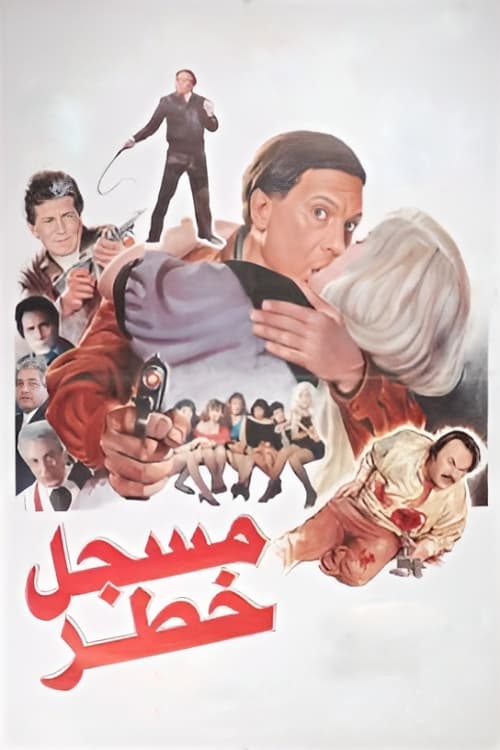
Highly Dangerous Man
1991
No user ratings available yet
Representation score: 3.0 out of 10

Representation Score
Fair
1991
Director
Atef El-Tayeb
Runtime
120 minutes
Average Rating
No ratings yetNew Showbiz Analysis
The film serves as a gritty critique of social stratification and systemic failure. It centers on a peasant protagonist caught in a cycle of crime and betrayal, exploring how institutional corruption dismantles individual ability to act. While the work excels at portraying the struggles of the working class and the failures of the state, it lacks diversity in terms of LGBTQ+ and neurodivergent representation. The narrative focus remains heavily on traditional social structures and the exploitation of women. Ultimately, the film's strength lies in its deconstruction of institutional reliability. It challenges the stability of legal hierarchies by portraying the individual as a victim of systemic betrayal.
Category Breakdown
The film follows traditional structures that assume everyone is straight or cisgender. There are no queer identities or non-cisgender storylines in the plot.
Women are shown as vulnerable within patriarchal and criminal systems. The story focuses on female victimhood rather than challenging traditional gender roles or highlighting female leadership.
The film highlights class-based identity by centering a peasant protagonist, elevating a demographic often sidelined in mainstream cinema.
The film critiques traditional institutions and state corruption. It portrays a world where systemic oppression forces individuals to seek justice outside of established legal frameworks.
There are no mentions of characters navigating physical, sensory, or neurodivergent disabilities.
Present on Screen
Limited or Absent
Official Synopsis
Ahmed Zaki plays a peasant, Mountasir, who gets involved in a criminal racket run by his friend Midhat. Mountasir is betrayed by Midhat and goes to jail. Upon discovering that his wife was forced into prostitution by Midhat, he swears to extract revenge when he leaves jail.
1991
1972

1989
1981

1962

2018
1984
1973
No reviews yet. Be the first to share your thoughts on this movie!
Use the rating form above to leave a star rating and optional review.