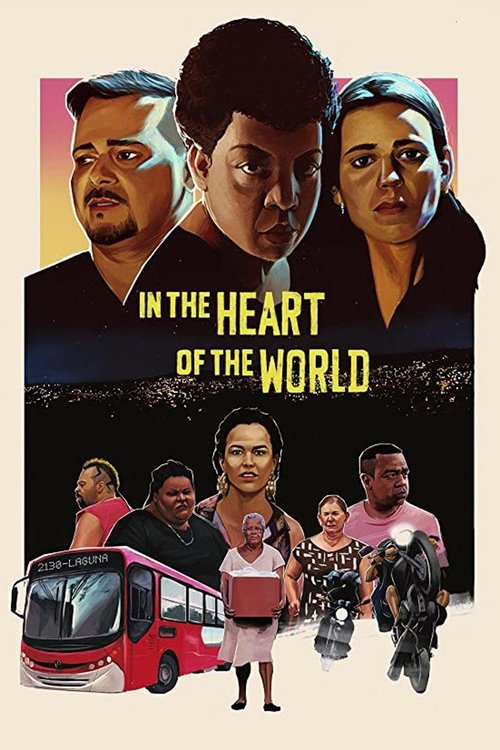
In the Heart of the World
2019
No user ratings available yet
Diversity score: 6.8 out of 10
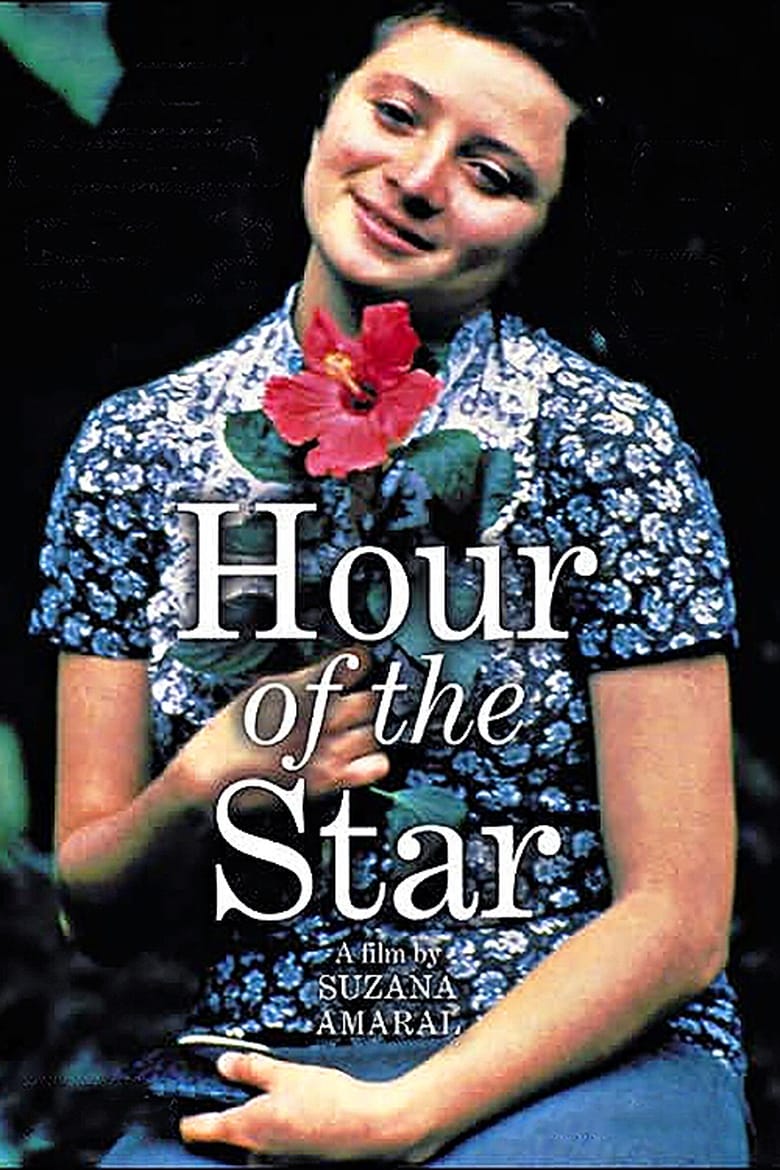
1986
Not RatedDirector
Suzana Amaral
Runtime
96 minutes
Average Rating
No ratings yetSynopsis
Macabéa has just moved to the big city after her aunt, who raised her, died. She gets a job as a typist and moves into a boarding house with three other women. In her spare time, she listens to a radio station called Time; on Sundays, she likes to ride the metro. Then she meets Olímpico, a northeasterner like herself, who has dreams of becoming a congressman.
Overall Score
Good
Category Breakdown
LGBTQ+ Representation
The narrative focuses strictly on socioeconomic and existential struggles. There is no discernible presence of non-heteronormative identities or critiques of heteronormativity.
Gender Representation
The film disrupts hierarchies by centering a female protagonist whose survival is not defined by men. It avoids traditional tropes by depicting male characters with futility and unfulfilled ambition.
Racial & Ethnic Diversity
The film examines internal migration and post-colonial dynamics in Brazil. By centering a Northeastern migrant in Rio, it highlights the friction between regional identities and metropolitan culture.
Religious & Cultural Diversity
The narrative critiques capitalist urban structures and the indifference of modern institutional life. It questions traditional metrics of success in favor of a nuanced exploration of human existence.
Disability Representation
The film explores social disability through the protagonist's neuro-social isolation. Macabéa’s struggle to navigate social cues serves as a study of cognitive and social marginalization.
Strengths
Areas for Improvement
AI Analysis
Suzana Amaral’s work is a sophisticated exercise in social realism that centers the invisible. By focusing on a migrant from the Northeast, the film effectively critiques national power structures and the systemic marginalization of regional populations. The film succeeds in subverting traditional success narratives, replacing the 'urban dream' with a poignant look at how capitalist societies treat the impoverished. It avoids the artifice of melodrama to prioritize the dignity of the overlooked. While the film excels in regional and class critique, it lacks representation of LGBTQ+ identities. However, its exploration of social isolation provides a unique lens on cognitive and communicative marginalization.
2019

2019

1978

2016

1943

1963
2007

2006

1998
2019

2008

2013
No reviews yet. Be the first to share your thoughts on this movie!
Use the rating form above to leave a star rating and optional review.