Por Trás do Céu
2016
No user ratings available yet
Representation score: 5.6 out of 10
Representation Score
Excellent
2019
Director
André Novais Oliveira
Runtime
112 minutes
Average Rating
No ratings yetNew Showbiz Analysis
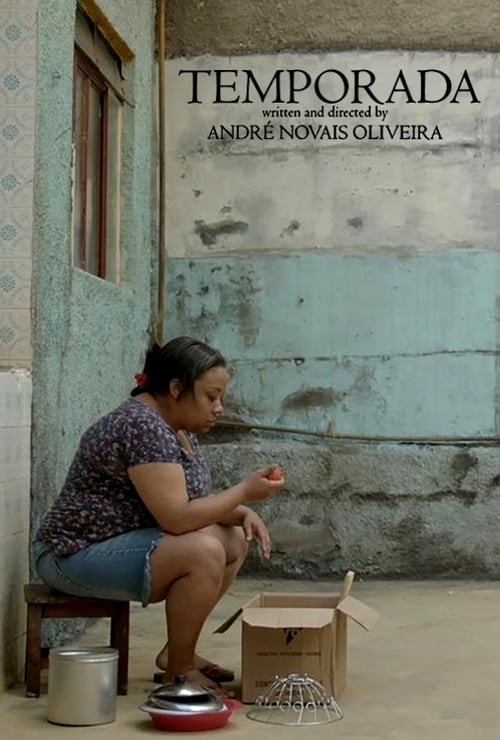
Long Way Home is a thoughtful character study that emphasizes a quiet, realist approach to change. By focusing on Juliana's move to a new city, the film avoids dramatic tension in favor of intimate atmosphere. The film's standout achievement is its authentic portrayal of Black life in a Brazilian urban context. It treats racial identity as a core social element without resorting to simplistic stereotypes. While the film does not engage explicitly with LGBTQ+ identities or disabilities, it excels through its nuanced depiction of women's independence and its commitment to diverse storytelling.
Category Breakdown
The film does not focus on non-straight relationships or include any queer-coded subtext.
Juliana is shown making her own decisions as she adjusts to a new city. The film avoids the cliché of a passive wife waiting for her husband by highlighting her personal growth.
The film focuses on the Black experience in Brazil, using a mostly Black cast to explore racial identity and social issues.
The story presents a realistic, secular view of everyday life, focusing on sanitation workers without emphasizing religious beliefs or institutional practices.
The film does not feature any characters with visible or invisible disabilities used as plot devices.
Present on Screen
Limited or Absent
Official Synopsis
In order to take a new job as an employee in the public sanitation department, Juliana moves from the inner city of Itaúna to the metropolitan town of Contagem in Brazil. While waiting for her husband to join her, she adapts to her new life, meeting people and discovering new horizons, trying to overcome her past.
2016

2012

2021
1994

2017

2016

2018
1966
No reviews yet. Be the first to share your thoughts on this movie!
Use the rating form above to leave a star rating and optional review.