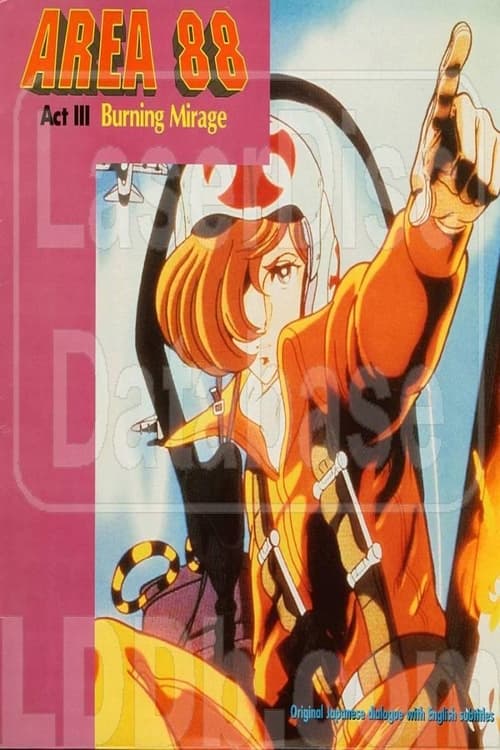
Area 88 Act III: Burning Mirage
1986
No user ratings available yet
Representation score: 4.6 out of 10
Representation Score
Fair
1985
TV-PGDirector
Hisayuki Toriumi
Runtime
100 minutes
Average Rating
No ratings yetNew Showbiz Analysis
Area 88 is a gritty deconstruction of the heroic pilot archetype. It avoids glorifying warfare, focusing instead on the psychological toll of combat and the erosion of individual morality. The narrative structure emphasizes a cynical view of systemic exploitation over traditional military heroics. While the film excels at critiquing power dynamics and institutional corruption, it remains limited by the demographic constraints of 1980s action cinema. The setting is heavily male-dominated, and the focus on a single protagonist restricts the range of ethnic and identity-based representation. Ultimately, the work is a sophisticated exploration of entrapment and autonomy. It uses the mercenary setting to examine how globalized conflicts can strip individuals of their freedom and force them into cycles of violence.
Category Breakdown
The film centers on the intense struggles of mercenaries and their fight for repatriation. There is no indication of characters with non-traditional gender identities or same-sex relationships. The story stays focused on traditional action themes from the 1980s.
The movie portrays a predominantly masculine environment typical of military aviation stories. While there are hints of romance, the main focus is on male combatants. The mercenary base is depicted as a hyper-masculine space where survival is key.
As a Japanese production set in a global conflict, the film provides a non-Western viewpoint. However, the focus remains on the Japanese protagonist. The specific depiction of a diverse cast is not clearly outlined.
The film critiques the corrupt nature of institutions and the dehumanizing effects of capitalism. It questions the morality of military structures by showing the protagonist as a victim of exploitation. The battlefield is portrayed as a morally ambiguous and harsh place.
The story addresses the psychological impact of combat and the mental strain on characters. These elements drive the tragic arcs of characters rather than giving them ability to act based on their specific conditions.
Present on Screen
Limited or Absent
Official Synopsis
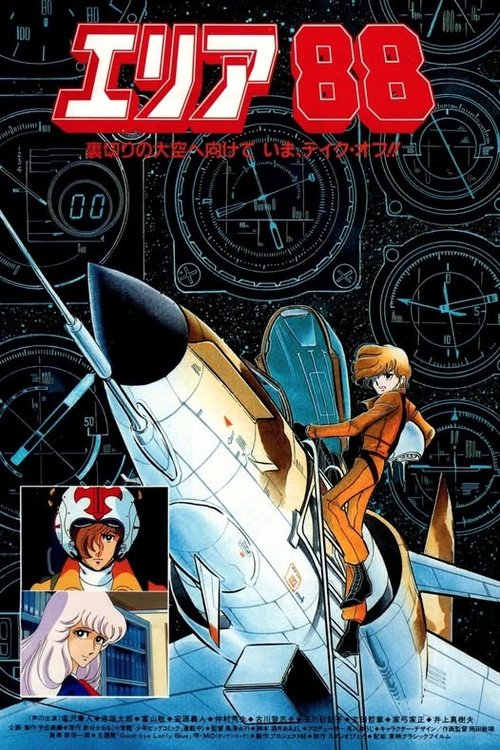
In a cruel twist of fate, talented young pilot Shin Kazama is tricked into serving as a mercenary for Area 88: a hell on earth where men survive by gunning down anyone who stands in their way. To return home, Shin must sell his soul to the battlefield and pave the road back to Japan with the corpses of his fallen opponents. A re-edited 'Movie' version of episodes 1 and 2 of the Area 88 OVA series.
1986
1966
1985
1961
2003

2021
1984
1980
No reviews yet. Be the first to share your thoughts on this movie!
Use the rating form above to leave a star rating and optional review.