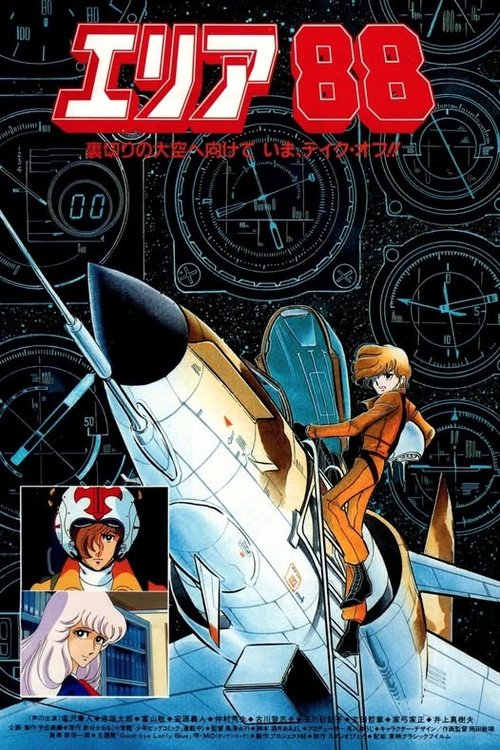
Area 88 Act I: The Blue Skies of Betrayal
1985
No user ratings available yet
Representation score: 2.9 out of 10
Representation Score
Fair
1986
Director
Hisayuki Toriumi
Runtime
95 minutes
Average Rating
No ratings yetNew Showbiz Analysis
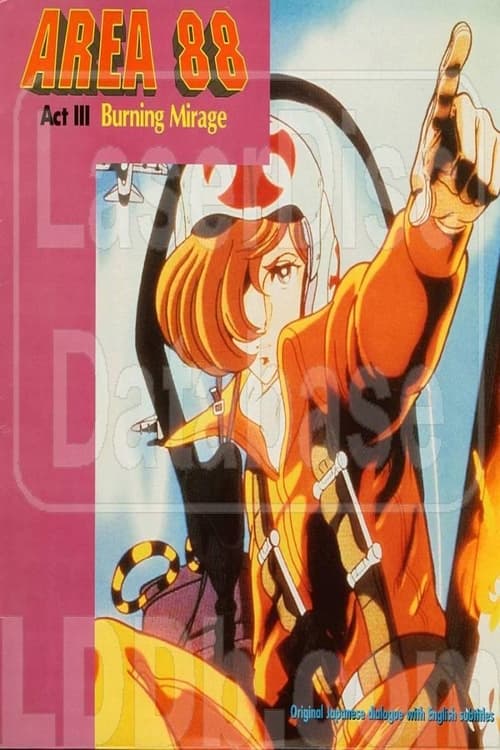
Area 88 Act III: Burning Mirage is a gritty deconstruction of the traditional war hero. It replaces idealized heroism with a bleak portrayal of how systemic conflicts erode individual morality. The film's strength lies in its thematic depth, particularly in critiquing capitalist exploitation and the moral ambiguity of mercenary life. It uses a fictional setting to challenge traditional power dynamics and the concept of state sovereignty. However, the narrative is heavily influenced by the gendered and straight-centered conventions of 1980s animation, limiting the scope for diverse identities and women's ability to drive the story.
Category Breakdown
The film is set in a strictly male-centric and straight-centered military environment. There are no depictions of diverse sexual orientations or gender identities.
The story centers on the experiences and ability to act of male pilots. Female characters have limited roles and do not significantly influence the main storyline.
The film uses a fictionalized Middle Eastern-style landscape to explore tensions stemming from historical colonization. By focusing on mercenaries rather than Western heroes, it avoids the cliché of the 'Western hero' narrative.
The movie critiques capitalist exploitation and the dehumanization of individuals within war. It portrays characters caught in corrupt systems, challenging the idea of a 'just war.'
While physical disabilities are not a primary focus, the film delves into the psychological impact of combat. Characters struggle with mental health issues such as PTSD, which are central to their development.
Present on Screen
Limited or Absent
Official Synopsis
Shin Kazama, tricked and forced into flying for the remote country of Aslan, can only escape the hell of war by earning money for shooting down enemy planes or die trying. Through the course of the series, Shin must deal with the consequences of killing and friends dying around him as tries to keep his mind on freeing himself from this nightmare.
No reviews yet. Be the first to share your thoughts on this movie!
Use the rating form above to leave a star rating and optional review.