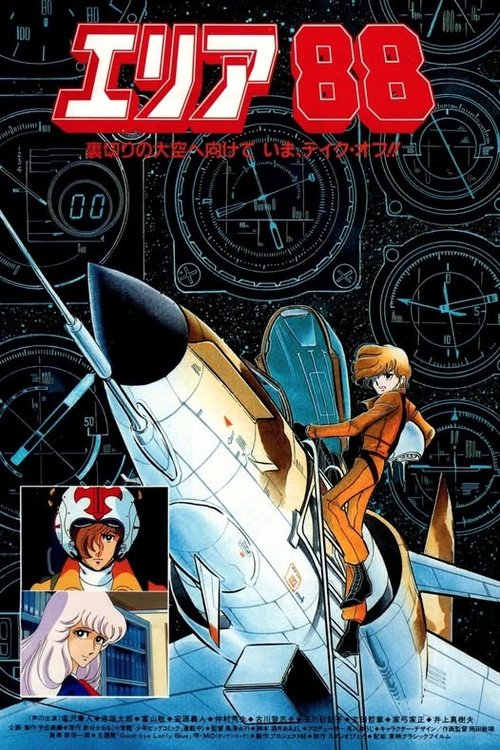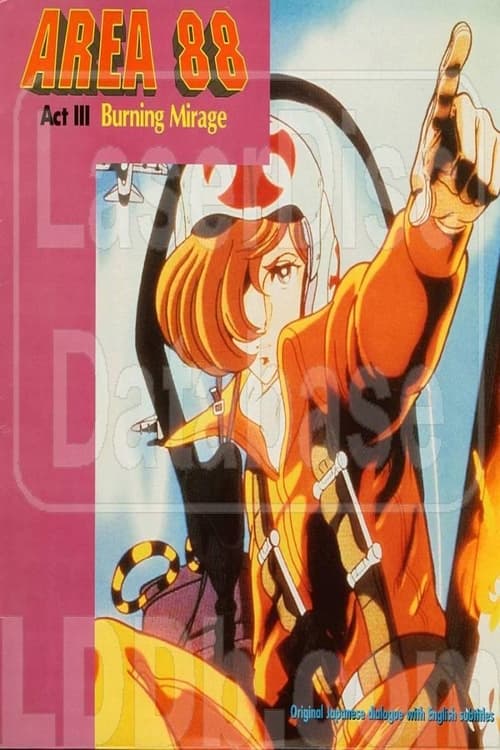
Area 88 Act III: Burning Mirage
1986
No user ratings available yet
Representation score: 4.6 out of 10
Representation Score
Limited
1985
TV-PGDirector
Hisayuki Toriumi
Runtime
109 minutes
Average Rating
No ratings yetNew Showbiz Analysis
Area 88 Act I is a high-stakes war drama that adheres strictly to the conventions of 1980s action animation. The story focuses heavily on the individual psychological weight of combat and the survivalist struggle of its protagonist, Shin Kazama. While the film offers depth regarding the moral consequences of killing, it lacks intentional frameworks reflecting multiple aspects of identity. The narrative architecture remains centered on traditional masculine archetypes and conventional geopolitical clichés common to the genre. Ultimately, the film functions as a character study of a man trapped in a nightmare of forced combat, rather than a work designed to disrupt social hierarchies or represent diverse identities.
Category Breakdown
The film centers on the existential struggle of a pilot in a geopolitical conflict. It lacks explicit LGBTQ+ characters or critiques of the assumption that everyone is straight or cisgender, focusing instead on traditional masculine archetypes.
The narrative prioritizes the male experience of combat and survival. Shin Kazama drives the plot through traditional masculine roles, with no evidence of female characters in positions of superiority.
Set in the fictional nation of Aslan, the story utilizes a standard mercenary cliché. There is no specific evidence of a non-white majority cast or intentional disruption of historical norms.
The film explores the moral ambiguity and psychological consequences of war. While it offers moral complexity, it focuses on individual survival rather than a systemic political or cultural critique.
There is no mention of characters navigating physical or neurodivergent disabilities. The psychological toll of war is presented as trauma rather than an exploration of disability experiences.
Present on Screen
Limited or Absent
Official Synopsis
Shin Kazama, tricked and forced into flying for the remote country of Aslan, can only escape the hell of war by earning money for shooting down enemy planes or die trying. Through the course of the series, Shin must deal with the consequences of killing and friends dying around him as tries to keep his mind on freeing himself from this nightmare.
No reviews yet. Be the first to share your thoughts on this movie!
Use the rating form above to leave a star rating and optional review.