Shots Fired
2021
No user ratings available yet
Representation score: 4.0 out of 10
Representation Score
Good
2024
TV-14Director
Serginho Roosblad
Runtime
53 minutes
Average Rating
No ratings yetNew Showbiz Analysis
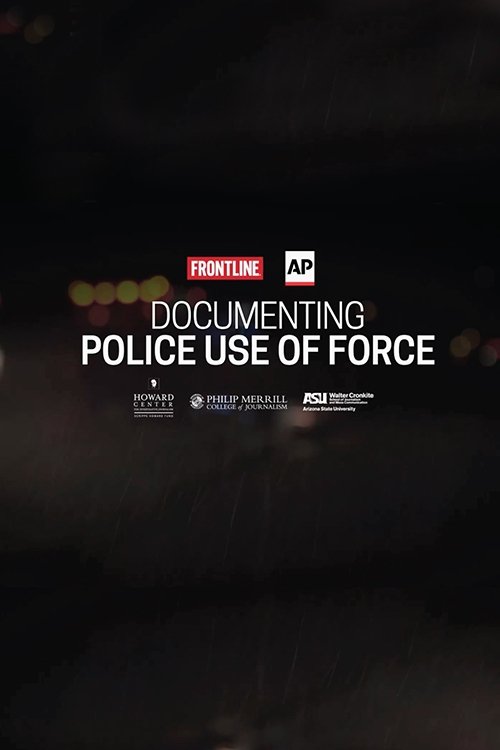
Documenting Police Use of Force serves as a data-driven critique of systemic violence and state authority. It prioritizes institutional accountability by examining the consequences of specific tactical decisions like prone restraint. The film's strength lies in its commitment to transparency and its use of expansive records, including body cam footage and autopsy reports. This approach disrupts conventional narratives regarding police efficacy. While the documentary addresses systemic friction, it lacks explicit confirmation regarding the representation of specific demographics like neurodivergent individuals or LGBTQ+ identities. The focus remains primarily on institutional mechanics.
Category Breakdown
The documentary focuses on investigative police tactics and autopsy reports. There is no indication of LGBTQ+ character arcs or identity-based narratives within the film.
The film challenges traditional hierarchies by scrutinizing state actors and law enforcement authority. However, specific data regarding the gender of subjects or investigators is not provided.
The investigation uses an expansive national tally of deaths. This methodology likely highlights the disproportionate impact of systemic tactics on underrepresented communities and racialized outcomes.
The film adopts a framework of systemic critique against Western institutional power. It prioritizes evidence-based deconstruction of authority through rigorous investigative scrutiny.
The investigation into prone restraint often intersects with the vulnerabilities of individuals with physical or mental health conditions. Explicit representation of these demographics is not confirmed.
Present on Screen
Limited or Absent
Official Synopsis
FRONTLINE and The Associated Press, in collaboration with the Howard Centers for Investigative Journalism, investigate deaths that occurred after police used tactics like prone restraint and other "less-lethal force." The documentary and accompanying reporting draw on police records, autopsy reports and body cam footage, offering the most expansive tally of such deaths nationwide.
2021
2002

2015

2012
2017
2015
2022
1988
No reviews yet. Be the first to share your thoughts on this movie!
Use the rating form above to leave a star rating and optional review.