Copwatch
2017
No user ratings available yet
Representation score: 8.7 out of 10
Representation Score
Good
2015
Director
Brad Barber, Scott Christopherson
Runtime
109 minutes
Average Rating
No ratings yetNew Showbiz Analysis
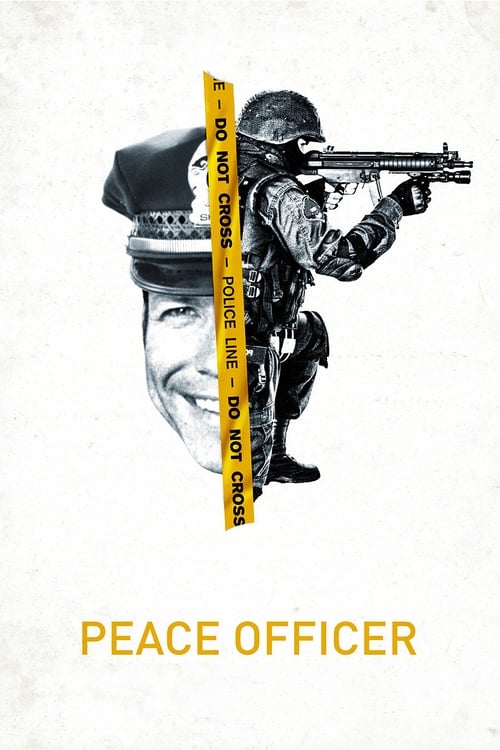
Peace Officer is a documentary that prioritizes systemic inquiry over identity-based storytelling. By reflecting the actual demographics of law enforcement agencies, it provides a realistic and diverse view of the profession. However, it lacks depth in addressing multi-layered identities such as LGBTQ+ narratives, disability, and neurodivergence. Instead, it focuses on the procedural and personal consequences of militarized policing. The film's strength lies in its critical deconstruction of law enforcement authority, offering a complex perspective on how state power affects both officers and their communities.
Category Breakdown
The film does not focus on LGBTQ+ identities or narratives. It avoids harmful stereotypes but lacks perspectives that reflect diverse sexual orientations and gender identities.
The film features both male and female officers, highlighting gender integration within law enforcement. However, it does not delve into gender-based power dynamics or challenge traditional gender roles.
The documentary showcases officers from various racial and ethnic backgrounds, providing a nuanced view of how different communities interact with authority. This inclusion reflects the diverse reality of law enforcement.
The film examines the militarization of domestic policing and the tension between individual morality and institutional procedures. It stays focused on the realities of the American legal system without engaging in overt political rhetoric.
The film does not significantly focus on visible or invisible disabilities within the main character arcs. While the psychological impact of policing is implied, it is not explicitly addressed through the lens of disability.
Present on Screen
Limited or Absent
Official Synopsis
Peace Officer is a documentary about the increasingly militarized state of American police as told through the story of Dub Lawrence, a former sheriff who established his rural state's first SWAT team only to see that same unit kill his son-in-law in a controversial standoff 30 years later. Driven by an obsessed sense of mission, Dub uses his own investigation skills to uncover the truth in this and other recent officer-involved shootings in his community, while tackling larger questions about the changing face of peace officers nationwide.
2017
2002
2017
2015
2017
2015
2021
2012
No reviews yet. Be the first to share your thoughts on this movie!
Use the rating form above to leave a star rating and optional review.