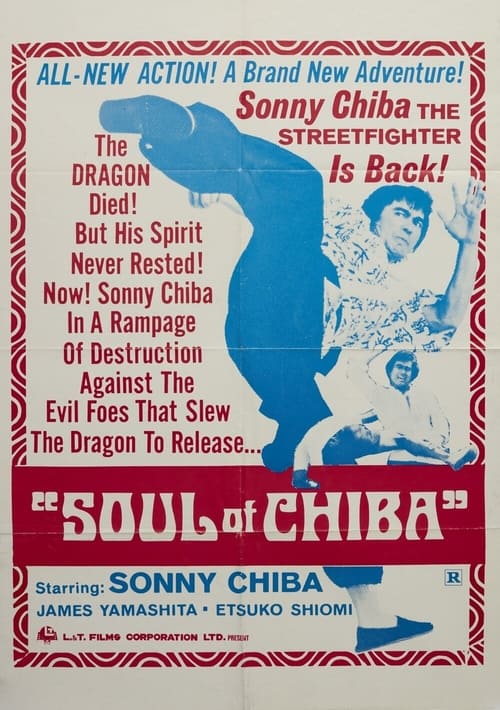
Soul of Chiba
1977
No user ratings available yet
Diversity score: 3.8 out of 10
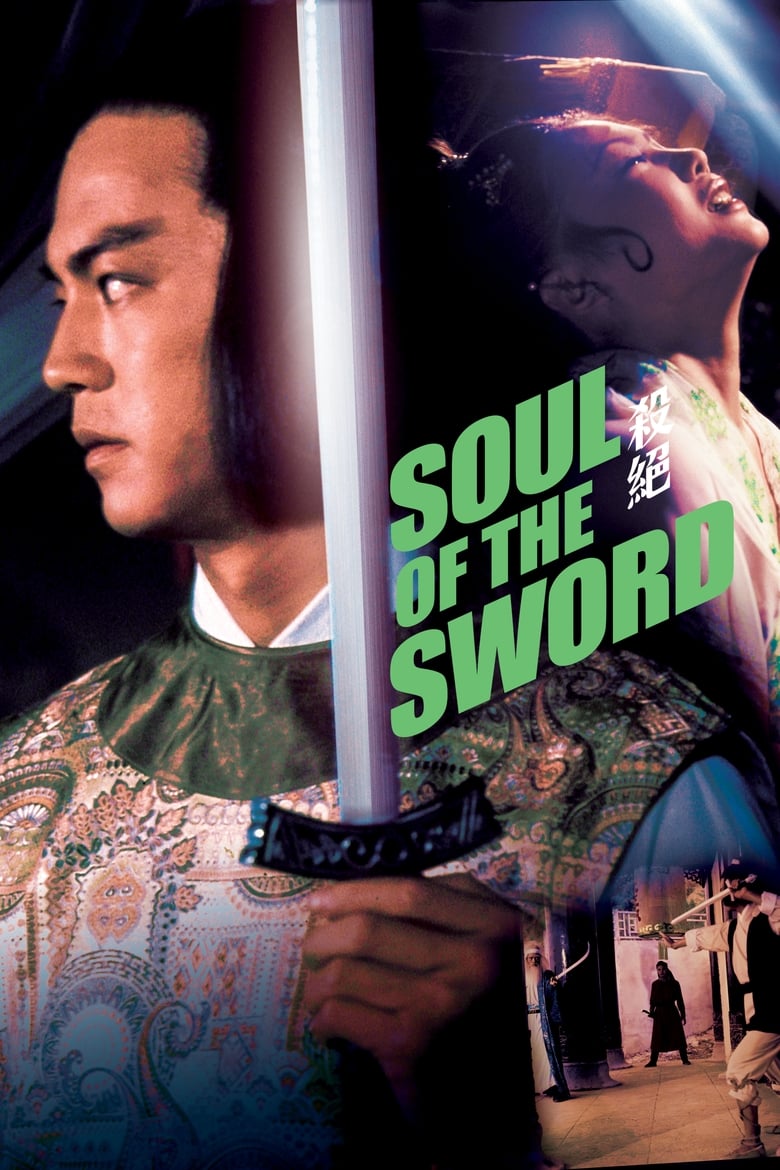
1978
Director
Hua Shan
Runtime
85 minutes
Average Rating
No ratings yetSynopsis
Ti Lung is the Nameless Swordsman bent on defeating the faceless King of Swords to claim the title, and the glory, for himself. Hordes of fighters lunge from the shadows to cut down the mysterious challenger. Even a cunning seductress takes a stab at him in a revealing bath house assassination. It is said that a man's weapon reflects his utmost dreams, desires and fears. A warrior with no name and one motive has a soul as merciless as cold steel.
Overall Score
Limited
Category Breakdown
LGBTQ+ Representation
The film focuses on a singular male protagonist's pursuit of martial dominance. There is no evidence of non-heteronormative identities or same-sex intimacy.
Gender Representation
The narrative centers on a male hero defined by combat and glory. Female characters, such as the seductress, function as traditional tropes rather than independent agents.
Racial & Ethnic Diversity
The cast is ethnically homogeneous, reflecting the era of 1970s Hong Kong action cinema. It provides a culturally specific experience without utilizing diverse casting.
Religious & Cultural Diversity
The story emphasizes traditional values like martial prowess and individual honor. It follows a classic hero's journey that celebrates traditionalist wuxia ideals.
Disability Representation
There are no visible or invisible disabilities mentioned or depicted within the character arcs.
Strengths
Areas for Improvement
AI Analysis
Soul of the Sword is a quintessential 1970s wuxia film that prioritizes genre conventions over modern intersectional storytelling. The narrative is built around a singular male protagonist, reinforcing traditional hierarchies of power and gender. While the film offers a culturally specific look at martial arts history, it lacks diversity in casting and character agency. Female roles are relegated to archetypes, and the plot focuses strictly on individualistic achievement. Ultimately, the film adheres to the established social and narrative norms of its era, offering a traditionalist experience rather than a subversive one.
1977
1987
1980

1980
1980
1977
1979
1983
1977

1970
1972
1962
No reviews yet. Be the first to share your thoughts on this movie!
Use the rating form above to leave a star rating and optional review.