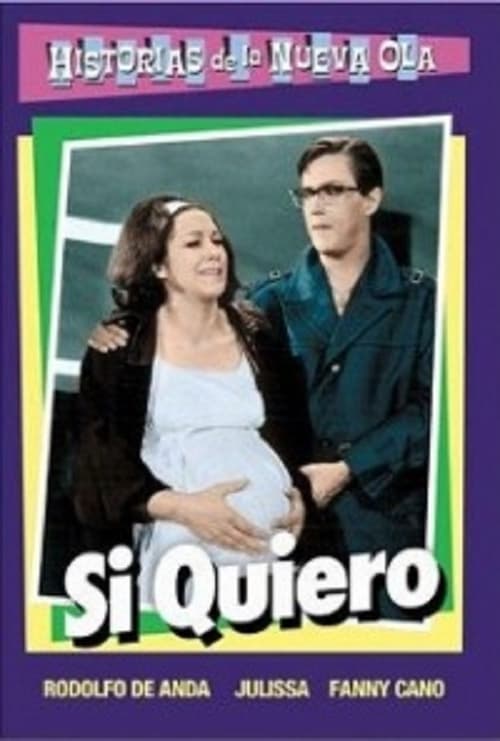
Si quiero
1967
No user ratings available yet
Representation score: 2.4 out of 10

Representation Score
Minimal
1962
Director
Pedro Lazaga Sabater
Runtime
85 minutes
Average Rating
No ratings yetNew Showbiz Analysis
Martes y trece is a conventional romantic comedy that reflects the social hierarchies of 1962 Spain. The story focuses on the logistical hurdles of two couples preparing for marriage, reinforcing the era's domestic norms. The film functions as a period-typical production. It prioritizes established social structures and traditional milestones of adulthood rather than challenging them through diverse perspectives. Ultimately, the film adheres to the commercial and cinematic conventions of its time, offering a narrative that reinforces rather than disrupts mid-century Mediterranean social standards.
Category Breakdown
The film follows a strictly straight-centered framework. The plot centers on two heterosexual couples, Lola and Maria, and their respective male fiancés.
Female protagonists are primarily defined by their relationships to men. Their identities appear tied to their status as engaged women within a traditional domestic structure.
The setting and production context suggest a homogeneous demographic. There is no evidence of ethnic blending or diverse racial representation in the character arcs.
The narrative prioritizes traditional Western and Catholic values. It focuses on the sanctity of marriage and the stability of the nuclear family unit.
There is no mention of characters with visible or invisible disabilities within the narrative.
Present on Screen
Limited or Absent
Official Synopsis
Lola and Maria are two Spanish young ladies engaged to Franz and Pepe, all so eager to spend their honeymoon that the moment seems never to come, as all sorts of problems pave their way.
1967

1952
1969
1967
1954

1974
1992
1966
No reviews yet. Be the first to share your thoughts on this movie!
Use the rating form above to leave a star rating and optional review.