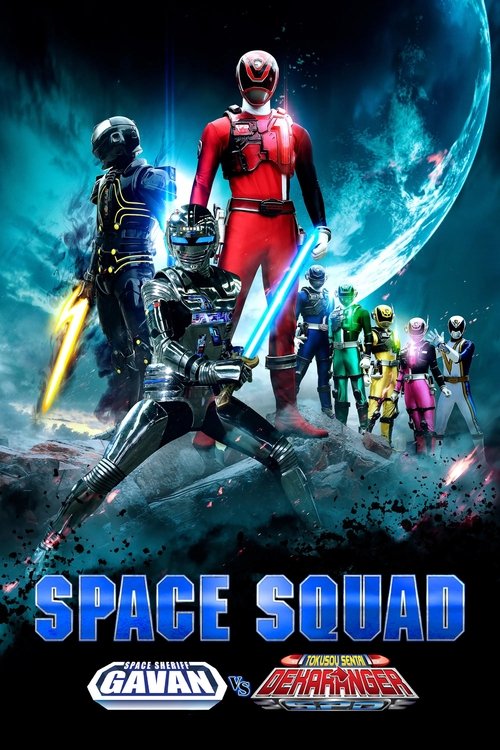
Space Squad: Space Sheriff Gavan VS Tokusou Sentai Dekaranger
2017
No user ratings available yet
Representation score: 3.5 out of 10
Representation Score
Good
2017
Director
Koichi Sakamoto
Runtime
55 minutes
Average Rating
No ratings yetNew Showbiz Analysis
The film shifts the focus from male-dominated ensembles to highlight female characters, providing them significant control over the story. However, the production remains anchored in traditional frameworks. The cast is largely uniform, reflecting the localized casting norms of the Tokusatsu genre, and there is a lack of representation regarding LGBTQ+ identities or disabilities. Ultimately, while the film succeeds in elevating female characters, it does not extend that inclusivity to broader social or cultural dimensions.
Category Breakdown
The film doesn't provide clear evidence of queer narratives or non-cisgender identities. It maintains a basic level of inclusion typical of mainstream action media without challenging the assumption that everyone is straight or cisgender.
This installment breaks genre expectations by putting female characters at the forefront of a traditionally male-dominated setting. It gives these protagonists significant control over the story, making them key drivers of the plot.
As a Japanese Tokusatsu production, the cast is mostly uniform. The narrative follows established cultural casting norms, focusing on a localized demographic rather than a multi-ethnic cast.
The story operates within established sci-fi clichés of heroism, justice, and duty. It upholds standard heroic archetypes common to Toei Company traditions rather than exploring diverse cultural sentiments.
There is no prominent depiction of visible or invisible disabilities. Characters are portrayed through the lens of the heightened physical capabilities required by the action and sci-fi genres.
Present on Screen
Limited or Absent
Official Synopsis
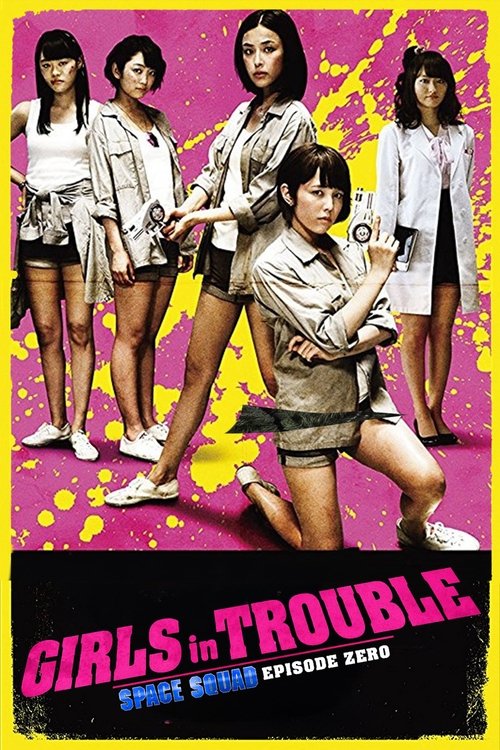
Girls in Trouble: Space Squad Episode Zero is an installment in the Toei Company V-Cinema series. Space Squad serves as a crossover between the revival of the Metal Heroes' Space Sheriff series and the Super Sentai series Tokusou Sentai Dekaranger. A prologue to Gavan vs. Dekaranger, this movie focuses on the female characters of both series.
2017

2002
2014
2018
2011
2001
2010
2016
No reviews yet. Be the first to share your thoughts on this movie!
Use the rating form above to leave a star rating and optional review.