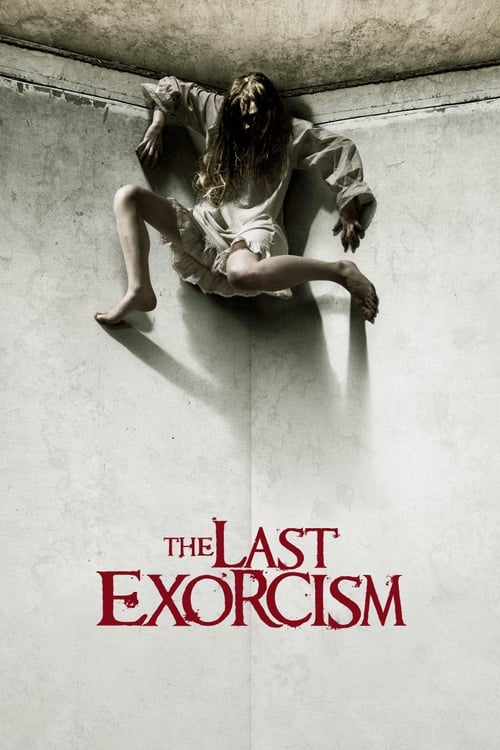
The Last Exorcism
2010
No user ratings available yet
Representation score: 5.1 out of 10
Representation Score
Limited
2004
RDirector
Renny Harlin
Runtime
114 minutes
Average Rating
No ratings yetNew Showbiz Analysis
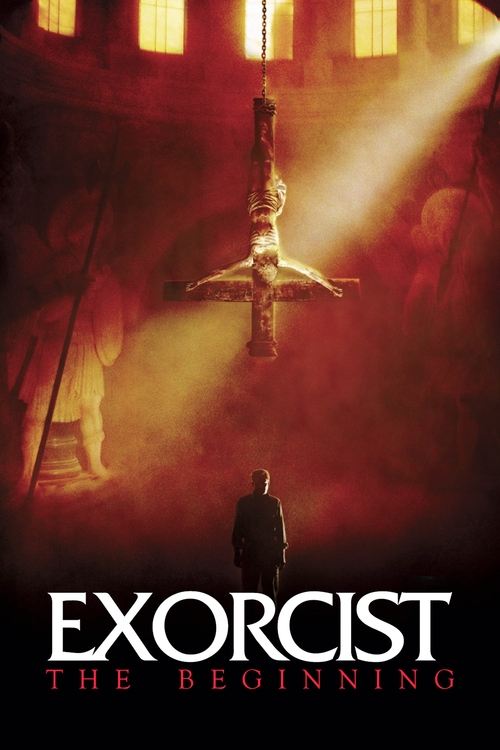
Exorcist: The Beginning operates within established religious and cinematic hierarchies. While the move to East Africa introduces a broader ethnic palette, the narrative remains tied to conventional Western theological structures. The film relies on traditional gender roles, centering male priesthood figures while relegating female characters to roles of vulnerability. This reinforces a standard horror dynamic rather than subverting social norms. Ultimately, the film functions as a traditional genre piece, prioritizing established religious hierarchies and lacking significant disruption to social or cultural status quos.
Category Breakdown
The film deals with theological conflicts and demonic possession. There are no LGBTQ+ characters or narratives that question the assumption that everyone is straight or cisgender.
Male religious leaders play a central role in the story. Female characters are important to the horror but often portrayed as vulnerable or victims.
The East African setting offers a chance for non-Western representation. However, local populations might serve as atmospheric backdrops without much narrative importance.
The story is grounded in singular Christian morality. It emphasizes traditional religious institutions as the main defense against chaos rather than challenging them.
Possession is used as a plot device that leans toward the monstrous. The film uses the loss of bodily autonomy as a tool for horror rather than exploring lived experiences.
Present on Screen
Limited or Absent
Official Synopsis
Years before Father Merrin helped save Regan MacNeil’s soul, he first encounters the demon Pazuzu in East Africa.
2010

1981

2018
1977

2005

1961
2023

1977
No reviews yet. Be the first to share your thoughts on this movie!
Use the rating form above to leave a star rating and optional review.