The Nun
2018
No user ratings available yet
Representation score: 2.0 out of 10
Representation Score
Fair
2023
RDirector
Michael Chaves
Runtime
110 minutes
Average Rating
No ratings yetNew Showbiz Analysis
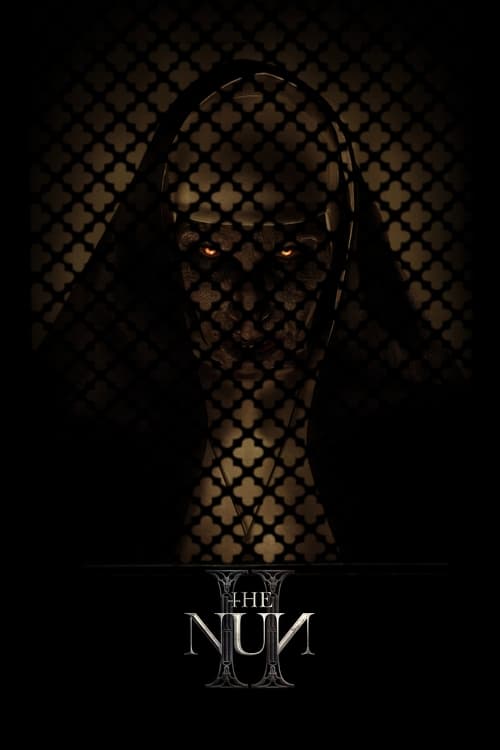
The Nun II successfully challenges gender stereotypes by focusing on female protagonists who have strong ability to act. Sister Irene and Sister Debra lead the investigation, providing both intellectual and spiritual strength to fight evil. However, the film is conservative in its broader social and cultural perspective, emphasizing historical authenticity and traditional religious hierarchies. It offers limited representation of LGBTQ+ identities, racial diversity, or the critique of Western institutions. While the film highlights the empowerment of its female leads, it remains rooted in a traditional framework that lacks progressive representation in other demographic categories.
Category Breakdown
The film follows a traditional religious horror framework and does not include any LGBTQ+ characters or representations of non-cisgender identities, sticking to the straight-centered standards of its mid-20th-century setting.
Sister Irene and Sister Debra are the main characters who drive the plot. They show great competence and resilience, moving away from the 'damsel in distress' stereotype to portray women as authoritative figures.
The casting reflects the 1956 French setting, resulting in a mostly homogeneous cast. There is no significant color-blind casting or a diverse majority cast.
The story emphasizes the Catholic Church as a key stabilizing force. It relies on a binary moral framework without critically examining Western religious institutions.
There is no significant depiction of visible or invisible disabilities. Characters are defined by their religious roles rather than by neurodivergence or physical disabilities.
Present on Screen
Limited or Absent
Official Synopsis
In 1956 France, a priest is violently murdered, and Sister Irene begins to investigate. She once again comes face-to-face with a powerful evil.
2018
1946

2019

1977

2021

1961
2020
1988
No reviews yet. Be the first to share your thoughts on this movie!
Use the rating form above to leave a star rating and optional review.