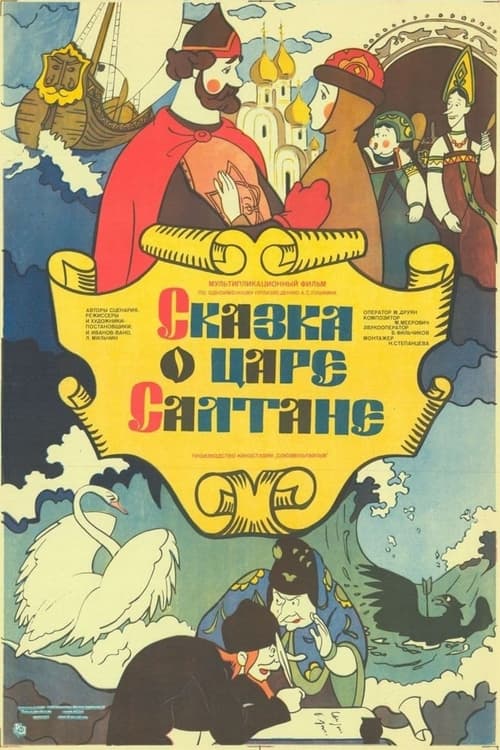
The Tale of Tsar Saltan
1984
No user ratings available yet
Representation score: 1.1 out of 10
Representation Score
Limited
1951
Director
Ivan Ivanov-Vano, Aleksandra Snezhko-Blotskaya
Runtime
30 minutes
Average Rating
No ratings yetNew Showbiz Analysis
Ivan Ivanov-Vano’s 1951 animation is a quintessential example of mid-century traditionalist storytelling. It serves as a cultural preservation tool, using established Slavic archetypes to celebrate heritage rather than challenging social norms. The film operates within a rigid framework of classical moralities, reinforcing hierarchical social orders and traditional gender roles, presenting a world where good and evil are clearly defined through established archetypes. While the film excels in preserving cultural continuity, it falls short in disrupting conventional social hierarchies or providing diverse representation.
Category Breakdown
The film adheres to traditional fairy tale structures and does not include any non-binary gender identities or same-sex relationships.
Female characters play central roles but are often portrayed as vulnerable and in need of protection by male characters, reinforcing traditional gender roles.
The cast primarily features characters from a similar ethnic background, emphasizing the film's Slavic roots but lacking modern diversity.
The storyline highlights a moralistic approach, reinforcing traditional societal structures such as monarchy and feudal hierarchies.
Characters are depicted as idealized, able-bodied figures without any representations of physical disabilities or neurodivergence.
Present on Screen
Limited or Absent
Official Synopsis
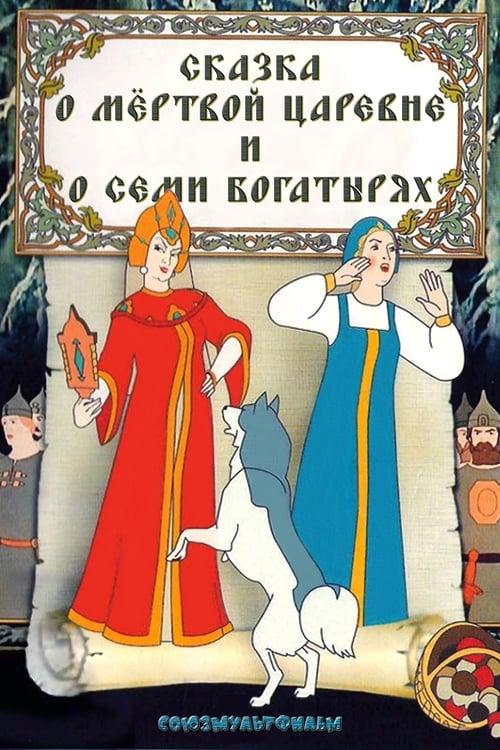
Animated film based on the story of Alexander Pushkin. The new king's wife wants to get rid of their stepdaughter and expels it to certain death in the forest. Princess finds refuge in the forest in the seven bogatyrs. The queen, finds out about it and poisons her...
1984

1957

1972
1949
1954
1957
1953
1947
No reviews yet. Be the first to share your thoughts on this movie!
Use the rating form above to leave a star rating and optional review.