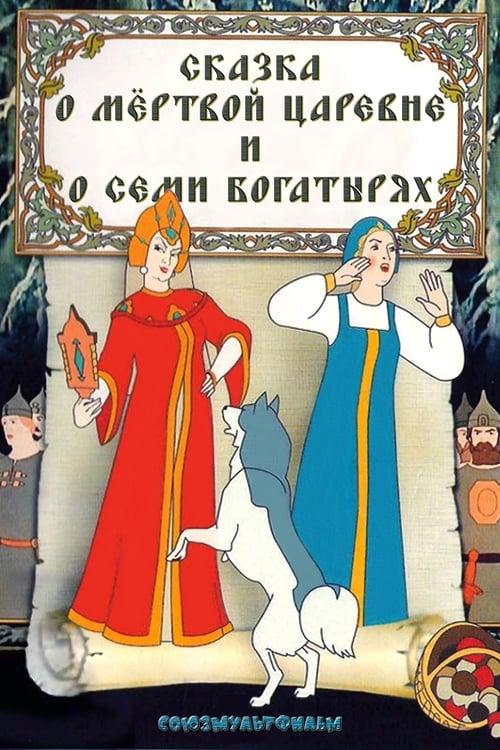
The Tale About the Dead Princess and Seven Strong Men
1951
No user ratings available yet
Diversity score: 3.0 out of 10
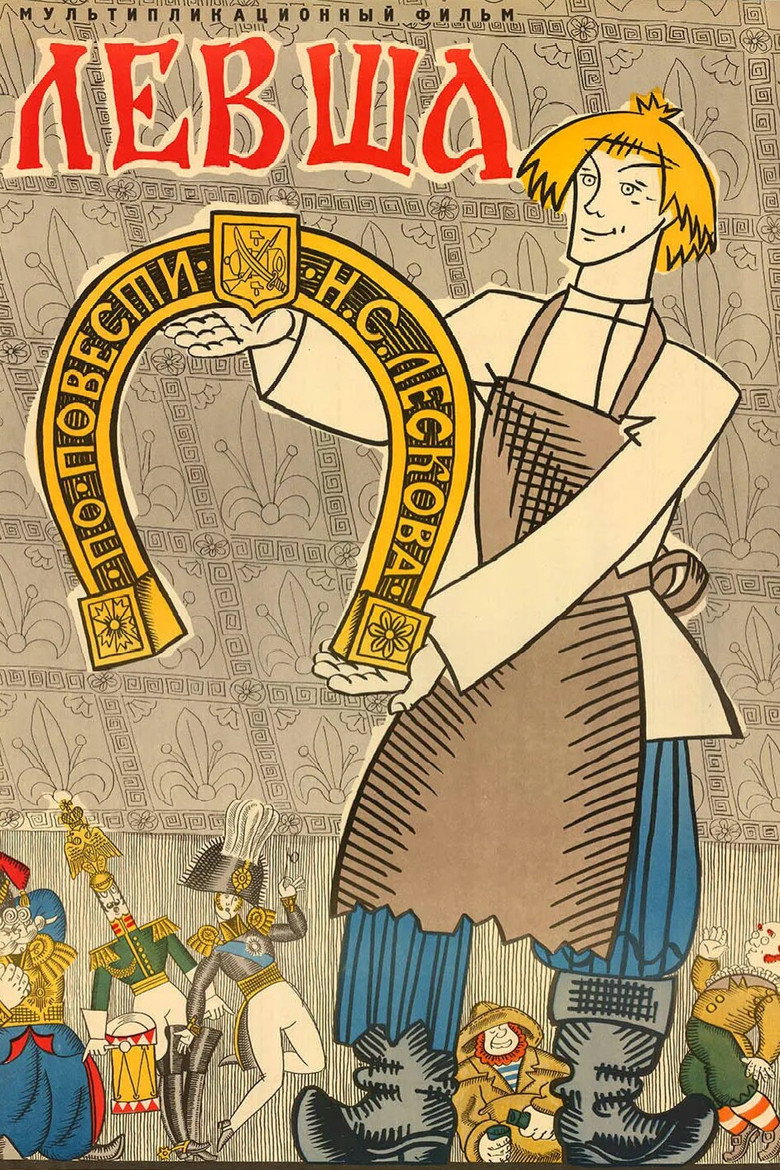
1964
Director
Ivan Ivanov-Vano
Runtime
43 minutes
Average Rating
No ratings yetSynopsis
Surprising master Lefty, who grounded a steel flea. This feature-length cutout-animated film from the Soviet Union is based on the story of the same name by the 19th century Russian novelist Nikolai Leskov. It was directed by the "Patriarch of Soviet animation", Ivan Ivanov-Vano, at the Soyuzmult film studio.
Overall Score
Fair
Category Breakdown
LGBTQ+ Representation
The film adheres to the traditional social structures of the mid-20th century Soviet era. There is no evidence of non-cisnormative identities or narratives that critique heteronormativity.
Gender Representation
The story focuses on traditional masculine roles, specifically the artisan and the soldier. It emphasizes merit through labor rather than subverting established gender hierarchies.
Racial & Ethnic Diversity
The narrative uses ethnic identity as a central driver, contrasting Russian artisans with Western industrial powers. It serves as a medium for ethnic cultural preservation through a nationalist lens.
Religious & Cultural Diversity
The film celebrates Russian folk identity and the ingenuity of the common worker. It disrupts Western-centric views of progress by highlighting collective achievement and traditional morality.
Disability Representation
There is no evidence regarding the inclusion or portrayal of characters with physical or neurodivergent disabilities.
Strengths
Areas for Improvement
AI Analysis
Left-Hander is a period-based adaptation that prioritizes national identity and the dignity of labor. It functions primarily as a celebration of Russian folk craftsmanship and the resilience of the folk spirit. The film challenges Western technological hegemony by centering on the ingenuity of the common worker. However, this critique is framed within a traditionalist, state-aligned cultural context rather than through modern intersectional lenses. Ultimately, the work excels at cultural preservation but lacks representation of diverse gender identities or disability, reflecting the social constraints of its 1964 production era.
1951
1981
1967
1980
1973
1958
1976
1973
1970
1984
1956
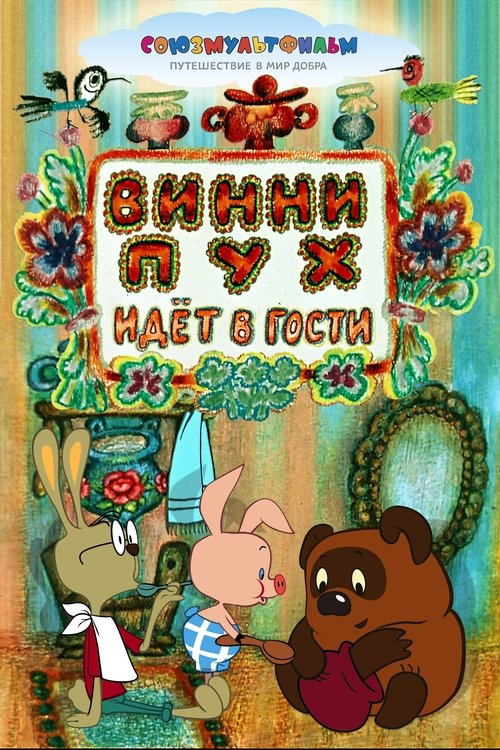
1971
No reviews yet. Be the first to share your thoughts on this movie!
Use the rating form above to leave a star rating and optional review.