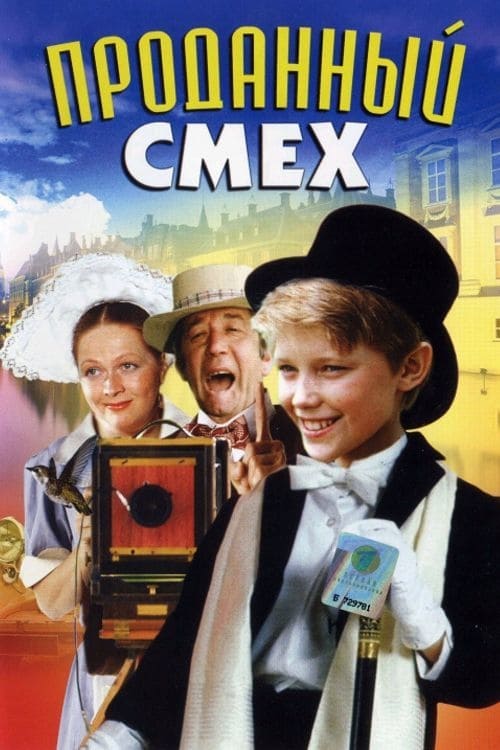
Sold Laughter
1981
No user ratings available yet
Representation score: 2.4 out of 10
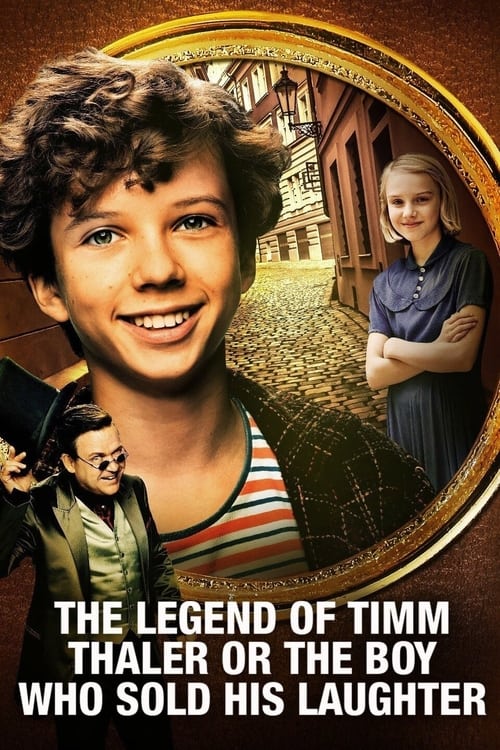
Representation Score
Fair
2017
Director
Andreas Dresen
Runtime
102 minutes
Average Rating
No ratings yetNew Showbiz Analysis
The film primarily functions as a moral fable, focusing on universal philosophical questions rather than identity-based representation. It explores the tension between material prosperity and emotional integrity through a classic character-driven lens. While the narrative avoids promoting traditional hierarchies by critiquing the corrupting nature of wealth, it does not actively integrate diverse social structures. The focus remains on the protagonist's internal moral struggle and socioeconomic transitions. Overall, the work offers a naturalistic exploration of human morality without disrupting conventional social norms through casting or specific identity politics.
Category Breakdown
The story revolves around a Faustian bargain between a child and a supernatural entity. There is no clear representation of non-straight or non-cisgender identities, nor does it challenge assumptions about straight relationships.
The film features a young male protagonist following traditional adventure and family storylines. It adheres to conventional gender roles without questioning the hierarchy.
The production sticks to a conventional casting model typical of its German origin. The narrative emphasizes metaphysical transformations without delving into the intersection of race and culture.
The film critiques materialism by portraying wealth as a corrupting force. It uses a devil figure to question the value of societal structures and economic systems.
The central conflict involves the metaphorical loss of the ability to laugh. While this serves as an emotional deficit, there is no depiction of visible or invisible disabilities.
Present on Screen
Limited or Absent
Official Synopsis
The devil tricks a little boy off his laughter in exchange for assured wins in all his bets. It depicts his journey after the deal with the devil, how he loses his soul bit by bit with each win.
1981

2018
1985

2016
1988
1950

2016
1987
No reviews yet. Be the first to share your thoughts on this movie!
Use the rating form above to leave a star rating and optional review.