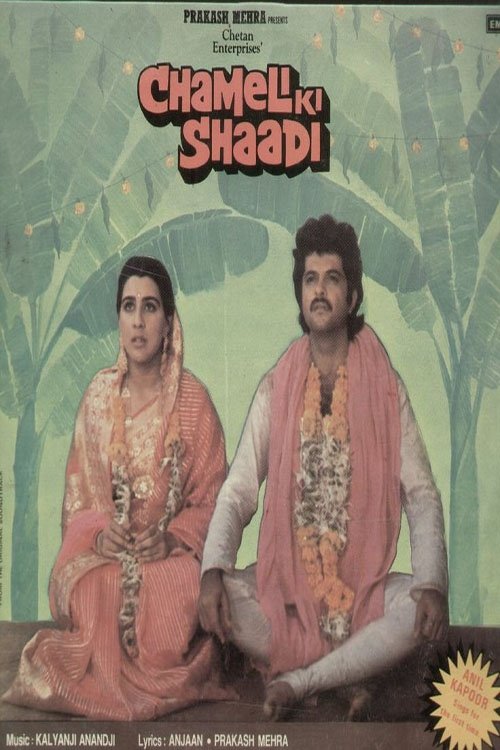
Chameli Ki Shaadi
1986
No user ratings available yet
Representation score: 5.0 out of 10

Representation Score
Good
2009
Not RatedDirector
Anurag Kashyap
Runtime
144 minutes
Average Rating
No ratings yetNew Showbiz Analysis
Dev.D is a postmodern deconstruction of classical clichés that emphasizes psychological complexity over traditional melodrama. It succeeds by dismantling gender hierarchies, giving female characters complex, autonomous lives that go beyond supporting roles. While the film excels at critiquing traditional social institutions and moralities, it remains largely straight-centered and ethnically uniform, focusing on class and individual disintegration. Ultimately, the film's strength lies in its refusal to offer moral clarity, using addiction and social decay to explore the emptiness of modern urban hedonism.
Category Breakdown
The film focuses on a dysfunctional relationship dynamic that assumes everyone is straight or cisgender. It does not prominently feature LGBTQ+ identities or non-assuming gender matches what was assigned at birth gender expressions, emphasizing toxic interactions between the male lead and his female counterparts.
Female leads Parvati and Chanda play significant roles in driving the story, showing strong autonomy and complex desires. They challenge the submissive heroine archetype by being as flawed and driven as the male characters, thus blurring traditional moral binaries.
The cast is ethnically uniform, set within a specific Delhi context. However, the film explores power dynamics and social mobility through socioeconomic stratification and class distinctions.
The narrative critiques traditional institutions and rejects prescriptive morality. It deconstructs the idealized romantic past, favoring a cynical, postmodern reality that questions the sanctity of social norms.
Alcoholism is shown as a central, debilitating force that shapes the protagonist's identity. However, the portrayal focuses on tragedy and alienation rather than empowering the individual through their struggles.
Present on Screen
Limited or Absent
Official Synopsis
Dev, after spurning his childhood love Paro due to a misunderstanding, turns to drugs and alcohol for solace. Paro moves on but Dev remains in remorse. He then meets Chanda, an escort navigating her own past trauma, but Dev’s chauvinistic attitude and penchant for self-destruction stands in the way of their developing bond.
1986

2003

1998

2009
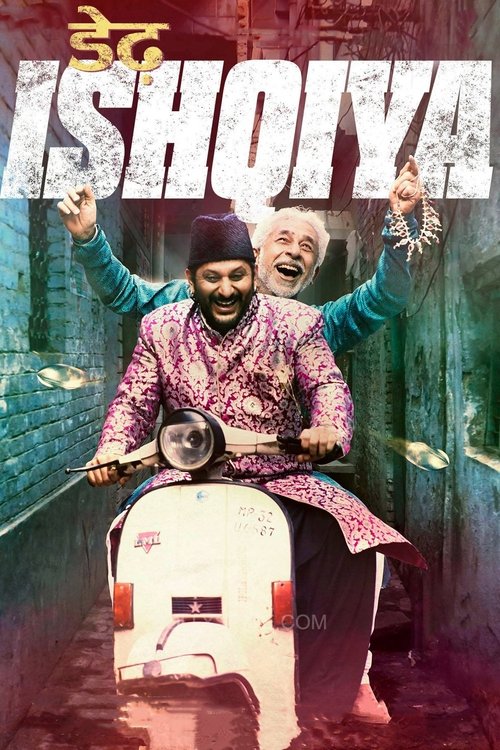
2014

2018
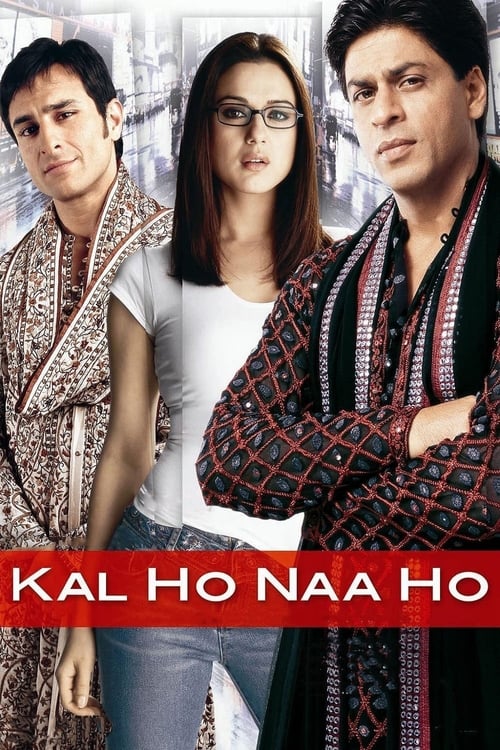
2003

2006
No reviews yet. Be the first to share your thoughts on this movie!
Use the rating form above to leave a star rating and optional review.