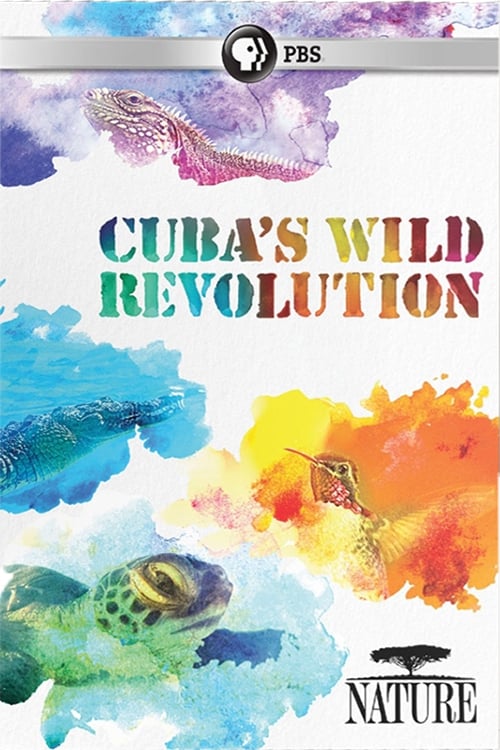
Cuba's Wild Revolution
2019
No user ratings available yet
Representation score: 7.6 out of 10
Representation Score
Excellent
2010
TV-GRuntime
60 minutes
Average Rating
No ratings yetNew Showbiz Analysis
This documentary offers a sophisticated reframe of geopolitical isolation, presenting Cuba's economic exile as a functional mechanism for environmental conservation. It successfully shifts the perspective from a colonialist 'discovery' narrative to one of local stewardship. The film's strength lies in its structural critique of Western influence, suggesting that systemic isolation can yield unintended ecological benefits. It prioritizes the work of local scientists over traditional explorer archetypes. However, the film lacks explicit focus on social hierarchies or identity politics. Because the subject matter is biological, it does not engage with many standard metrics of social representation.
Category Breakdown
The documentary focuses on ecosystem preservation and scientific profiling. There are no discernible LGBTQ+ characters or narratives present in this nature-focused work.
The film highlights the significant role of unsung scientists. This emphasis on intellectual labor suggests a departure from traditional, male-dominated explorer narratives often found in nature documentaries.
By centering on the Cuban landscape and local researchers, the film avoids Western-centric discovery clichés. It prioritizes the scientific efforts of the local community within their own habitat.
The narrative critiques Western economic models by framing the U.S. trade embargo as a catalyst for ecological preservation. It prioritizes a localized, non-Western ecosystem over globalized tourism.
There is no evidence of subjects with visible or invisible disabilities. The content remains strictly focused on biological and scientific observation.
Present on Screen
Limited or Absent
Official Synopsis
Cuba's political and economic exile has yielded a startling upside: A pristine island preserve boasting one of the most diverse and primordial ecosystems in the region. But how will nature fare if the U.S. trade embargo ends and tourists pour in? This episode of the PBS series observes jumping crocodiles, painted snails and other famed residents while profiling the unsung scientists who are studying and protecting the creatures' idyllic habitats.
2019
2021
2013
2017
2016
2007
2018
2019
No reviews yet. Be the first to share your thoughts on this movie!
Use the rating form above to leave a star rating and optional review.