Journey to Shark Eden
2010
No user ratings available yet
Representation score: 4.6 out of 10
Representation Score
Limited
2016
TV-PGRuntime
50 minutes
Average Rating
No ratings yetNew Showbiz Analysis
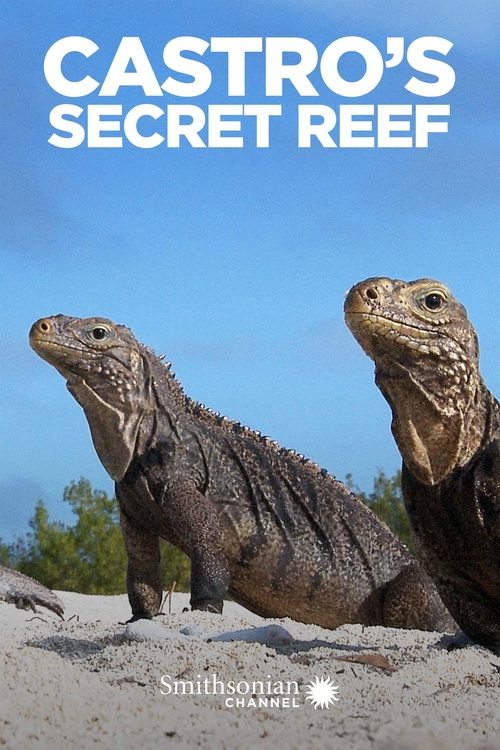
As a nature documentary, Castro's Secret Reef prioritizes environmental observation over human-centric storytelling. The film explores the biological uniqueness of the Jardines de la Reina archipelago, focusing on the pristine wilderness and exotic marine species. Because the subject matter is primarily ecological, the film lacks the character-driven structures needed to explore social identity or interpersonal dynamics. The absence of human characters means there is no engagement with LGBTQ+, disability, or gender-based narratives. While the Cuban setting provides a non-Anglo-Saxon context, the narrative remains centered on the reef itself. The film's low diversity score reflects this focus on the natural world rather than an active promotion of social hierarchies.
Category Breakdown
The documentary focuses solely on marine life and the physical geography of the Caribbean reef. There are no LGBTQ+ characters or stories related to gender identity.
The film follows a traditional observational style. It lacks female protagonists or the subversion of gender hierarchies, resulting in a neutral portrayal of gender roles.
The setting provides a non-Western, Caribbean backdrop. However, the focus remains on exotic species rather than the human demographic makeup of the region.
The narrative frames the reef's preservation as a byproduct of Cuba's enforced isolation. This suggests a nuanced view of how political circumstances protect biodiversity.
There is no discernible representation of physical or neurodivergent disabilities. The film's scope is strictly ecological.
Present on Screen
Limited or Absent
Official Synopsis
Cuba's enforced isolation has resulted in the unlikeliest of marine reserves: a huge, rambling archipelago known as Jardines de la Reina, or "Gardens of the Queen." Stretching around 140 miles along the southern coast of Cuba, it's one of the longest barrier reef systems in the world. Get an up-close look at Fidel Castro's diving playground, a forgotten ocean paradise unseen for half a century, and witness exotic species rarely seen elsewhere in the region. It's the lost jewel of the Caribbean, but how long can this pristine wilderness survive?
2010
2013

2010
2015
2014
2018
2018
2000
No reviews yet. Be the first to share your thoughts on this movie!
Use the rating form above to leave a star rating and optional review.