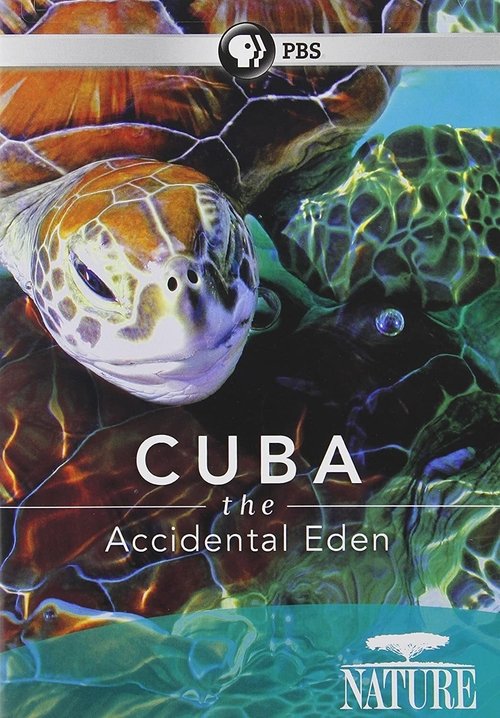
Cuba: The Accidental Eden
2010
No user ratings available yet
Representation score: 8.3 out of 10
Representation Score
Good
2019
TV-PGDirector
John Murray
Runtime
52 minutes
Average Rating
No ratings yetNew Showbiz Analysis
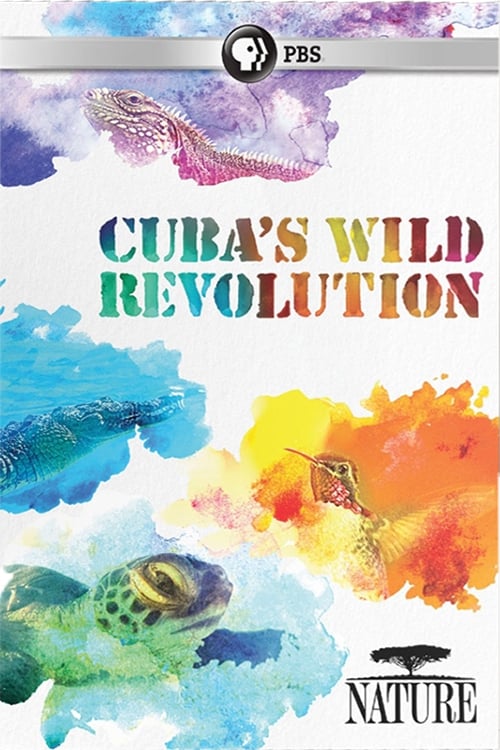
Cuba's Wild Revolution is a natural history documentary that emphasizes geopolitical context over human social representation. By focusing on the unique biodiversity of the Caribbean, it shifts away from Western-centric perspectives. The film's main contribution to diversity lies in its cultural framing. It challenges traditional capitalist assumptions by showcasing how Cuban socialist governance and economic isolation have preserved the island's ecosystems. However, since the subject matter is strictly ecological, the film does not intentionally represent human identities, including gender, LGBTQ+ status, or disability.
Category Breakdown
The film focuses on zoology and ecology rather than human social narratives. There are no explicit LGBTQ+ character arcs or stories that imply LGBTQ+ themes.
The narrative centers on wildlife biology and environmental conservation. It maintains a neutral stance on gender by focusing on the non-human natural world.
By centering on Cuba, the documentary prioritizes a non-Anglo-Saxon perspective. It highlights the Caribbean landscape and the role of local populations in conservation efforts.
The film challenges Western-centric clichés by presenting the Cuban government as a conservation-minded entity. It suggests that isolation can help protect biodiversity.
The documentary remains strictly focused on the biological and ecological state of the island. There is no mention of disability or neurodivergence.
Present on Screen
Limited or Absent
Official Synopsis
As the largest island in the Caribbean, Cuba is host to spectacular wildlife found nowhere else on the planet: from the jumping crocodiles of the Zapata swamp to the world's tiniest hummingbird, from thousands of migrating crabs to giant, bat-eating boas that lie in wait for easy prey. Decades of a socialist, conservation-minded government, American embargoes and minimal development have left the island virtually unchanged for 50 years. As international relations ease, what will become of this wildlife sanctuary?
2010
2021

2016
2021
2013
2019
2013
2014
No reviews yet. Be the first to share your thoughts on this movie!
Use the rating form above to leave a star rating and optional review.