
The Crossing
2012
No user ratings available yet
Representation score: 1.8 out of 10
Representation Score
Limited
2006
Director
Jean Beaudin
Runtime
102 minutes
Average Rating
No ratings yetNew Showbiz Analysis
Jean Beaudin’s drama is a character-driven exploration of grief and psychological trauma. It prioritizes emotional authenticity and the nuances of the human condition over systemic subversion or high-concept spectacle. The film adheres to traditional narrative structures, focusing on a specific regional and cultural context. While it offers a nuanced look at mental health, it does not intentionally disrupt social hierarchies or engage with multi-layered identity politics. Ultimately, the work functions as a realist study of familial bonds and the fragility of the mind, remaining rooted in conventional storytelling methods.
Category Breakdown
The film focuses on a central domestic tragedy and the psychological aftermath of loss. There are no LGBTQ+ characters or non-straight relationships in the story.
The story explores the breakdown of the nuclear family through the lens of tragedy. It highlights emotional vulnerability without explicitly challenging traditional gender roles or hierarchies.
The film utilizes a predominantly white, Québécois cast. This reflects the regional setting's demographic reality but does not use diverse casting to challenge traditional norms.
This realist drama prioritizes individual psychological experience over ideological messaging. It avoids promoting idealized Christian morality, focusing instead on the messy reality of mourning.
The narrative centers on a character navigating Stendhal Syndrome and a psychiatric diagnosis. This provides the protagonist with ability to act in dealing with her internal struggles within a medical framework.
Present on Screen
Limited or Absent
Official Synopsis
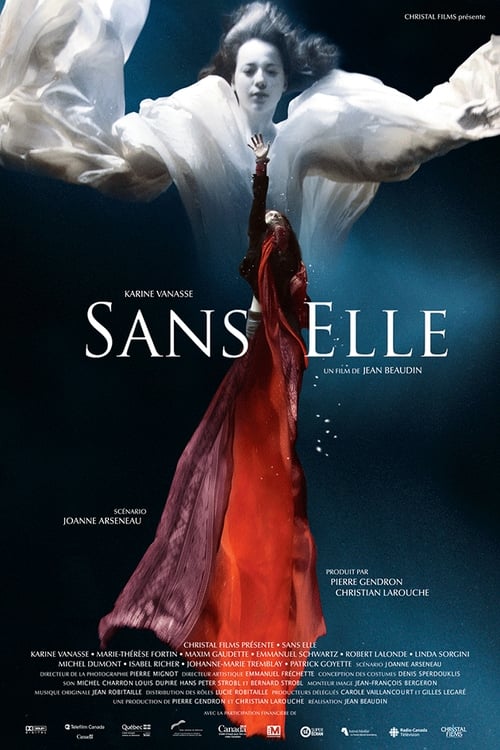
During a brief stay in Florence, Camille believes she's victim of an enormous flood. Urgently taken to a psychiatric hospital, she is diagnosed with the Stendhal Syndrome: a temporary psychological disorder well known to affect tourists who are too vulnerable to the beauty of art work. This disorder which is considered benign doesn't worry the medical staff who asks that she be sent back to her country. Back home, she has to come to terms with a tragedy she has wanted to flee: her mom had gone missing right before her departure. Convinced that she has to move on with her life for her mental sanity, Camille decides that it is time to accept the fact that her mother will never come back. But when she goes to Matane, the last place where her mother had been seen alive, Camille comes across many clues that will propel her into an emotional roller coaster.
2012
2001

2019
2005

1992

2005
2014

2016
No reviews yet. Be the first to share your thoughts on this movie!
Use the rating form above to leave a star rating and optional review.