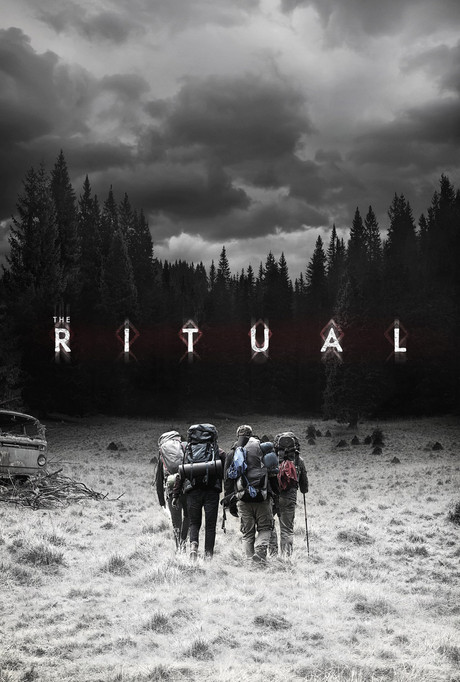
The Ritual
2017
No user ratings available yet
Representation score: 0.7 out of 10
Representation Score
Limited
2016
RDirector
Jason Zada
Runtime
93 minutes
Average Rating
No ratings yetNew Showbiz Analysis
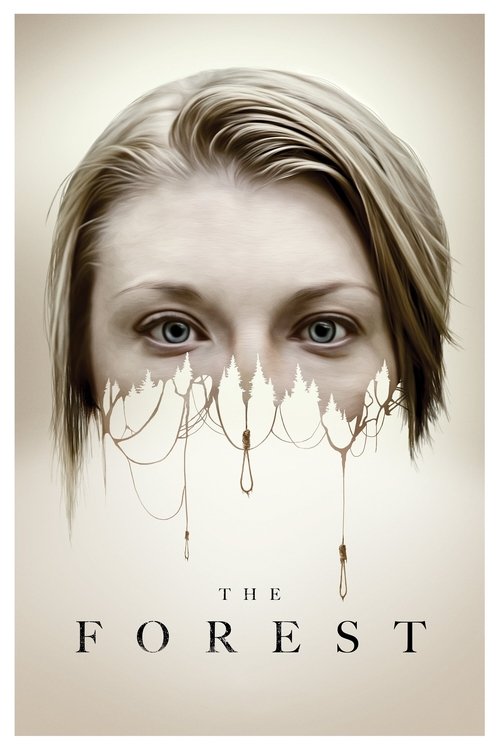
The Forest functions as a conventional horror thriller that adheres to traditional cinematic structures. While it effectively centers a female protagonist with strong ability to act, the film largely avoids multi-layered depth. The narrative relies on a Western perspective within an international setting, which reinforces the 'outsider' cliché rather than embracing racial complexity. This choice limits the film's ability to challenge historical norms or provide a diverse cast. Ultimately, the film uses themes of mental health primarily for atmospheric tension. It lacks meaningful engagement with LGBTQ+ identities or systemic social critiques, resulting in a narrow representational scope.
Category Breakdown
The film does not include any LGBTQ+ characters or narratives. It does not engage with non-straight identities or queer perspectives.
The story centers around a female protagonist who drives the plot through her intellect and emotions rather than being a passive character.
A Western protagonist navigates a Japanese environment, positioning her as an outsider. The lack of a diverse supporting cast follows typical Hollywood conventions.
The story focuses on personal grief without addressing broader societal issues. It maintains a traditional approach to morality without challenging Western cultural norms.
Themes of mental health and psychological distress are used to create an atmosphere of horror. These elements do not offer nuanced or empowering portrayals of neurodivergence.
Present on Screen
Limited or Absent
Official Synopsis
Set in the Aokigahara Forest, a real-life place in Japan where people go to end their lives. Against this backdrop, a young American woman comes in search of her twin sister, who has mysteriously disappeared.
2017
2011
2005
2013
2006
2014
2018
2019
No reviews yet. Be the first to share your thoughts on this movie!
Use the rating form above to leave a star rating and optional review.