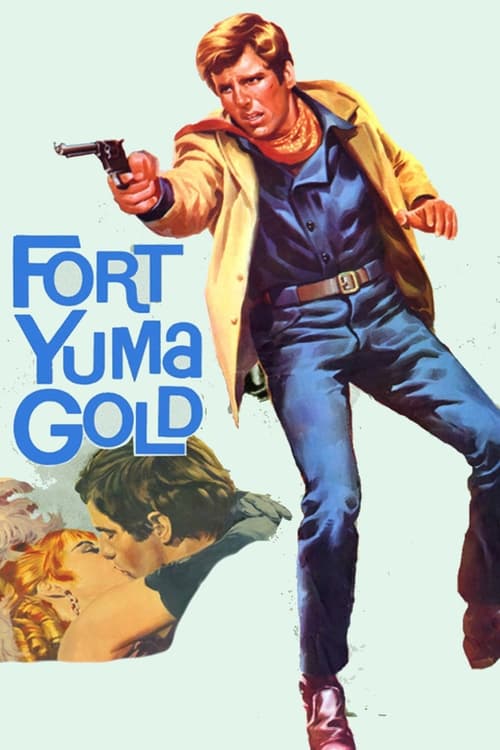
Fort Yuma Gold
1966
No user ratings available yet
Representation score: 3.8 out of 10

Representation Score
Minimal
1967
Not RatedDirector
Phil Karlson, Roger Corman
Runtime
88 minutes
Average Rating
No ratings yetNew Showbiz Analysis
A Time for Killing is a war drama set during the Civil War era. It emphasizes masculine-coded conflict and military hierarchy, focusing on the tension between Confederate and Union forces. The film adheres to traditional narrative structures without challenging established racial or gender norms. While the movie provides a sophisticated critique of communal morality and the risks of mob rule, it does not disrupt the social constraints of its time. Consequently, it lacks the complexity needed for a higher diversity rating.
Category Breakdown
The film does not include any LGBTQ+ identities or subtext related to queer relationships.
Men play the central roles in the film, driving the narrative through combat and command positions. Women are limited to supporting roles, often appearing in the background without significant influence on the main storyline.
The cast is primarily composed of white actors, reflecting the Civil War setting. Black characters are present but do not have the ability to act to significantly impact the main plot.
The story examines the collapse of social order and legal systems, presenting vigilantism as a form of moral corruption without critiquing systemic issues.
There are no prominent characters with visible or invisible disabilities that play a central role in the narrative.
Present on Screen
Limited or Absent
Official Synopsis
During the Civil War, Confederate soldiers escape from a Union prison and head for the Mexican border. Along the way, they kill a Union courier bearing the news that the war is over. Keeping the message a secret, the captain has his men go on and they soon find themselves in a battle with the Union search party who also is unaware of the war's end.
1966

1965
1950
1959
1954
1969
1966
1965
No reviews yet. Be the first to share your thoughts on this movie!
Use the rating form above to leave a star rating and optional review.