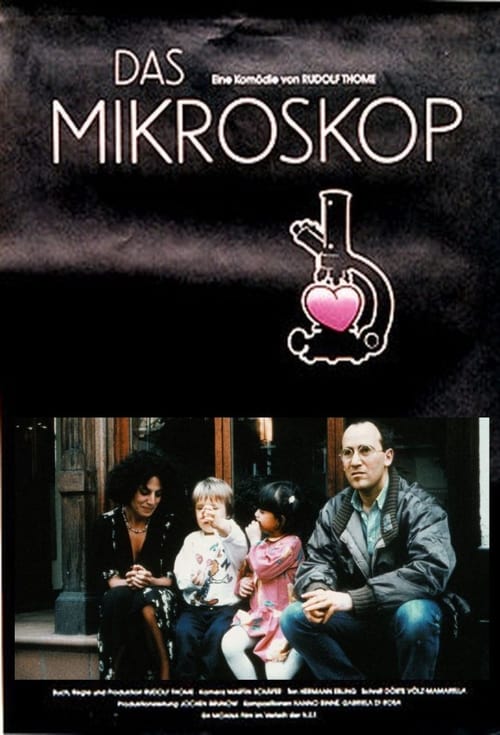
The Microscope
1988
No user ratings available yet
Representation score: 5.6 out of 10
Representation Score
Fair
1989
Director
Rudolf Thome
Runtime
83 minutes
Average Rating
No ratings yetNew Showbiz Analysis
The film dismantles conventional romantic and domestic hierarchies by introducing a communal, polyamorous living arrangement. However, its impact is constrained by a lack of diverse representation, particularly in terms of race, ethnicity, and disability. The film's strength lies in shifting the focus from a lone male hero to a group of women who shape the protagonist's path.
Category Breakdown
The film examines relationships involving multiple partners through its central idea of polygamy. This approach challenges the typical model of exclusive pairings.
Female characters play key roles in integrating society and the economy. The protagonist is shown as passive, eventually becoming part of a female-led community.
There is no evidence of a diverse or non-Anglo-Saxon majority cast. The narrative focus remains on the interpersonal dynamics of the established characters.
The film questions the traditional nuclear family by showing a functional polygamous household. It emphasizes situational ethics and personal connections over strict social norms.
The film contains no evidence regarding the portrayal of physical, neurodivergent, or mental health conditions.
Present on Screen
Limited or Absent
Official Synopsis
The obscure philosopher Georg Hermes almost withdrew from the world to concentrate on his studies, especially Heraclitus, having no relationship since his mother's death. When he wants a new suit for a lecture (actually very minor) about his new book, he meets the sisters Franziska, Breate and Marthe, who run a boutique, share a house and have a lover each. Those invite Georg to dinner, Franziska even on dates. Falling off a boat he gets naked with her, and they become lovers. The girls all take to Hermes and get him to move in, spoiled by all and offered polygamy.
1988
1969
1998

2000
1997

1990

1967
1994
No reviews yet. Be the first to share your thoughts on this movie!
Use the rating form above to leave a star rating and optional review.