
Dazed and Confused
1993
No user ratings available yet
Representation score: 4.9 out of 10
Representation Score
Good
1982
RDirector
Amy Heckerling
Runtime
90 minutes
Average Rating
No ratings yetNew Showbiz Analysis
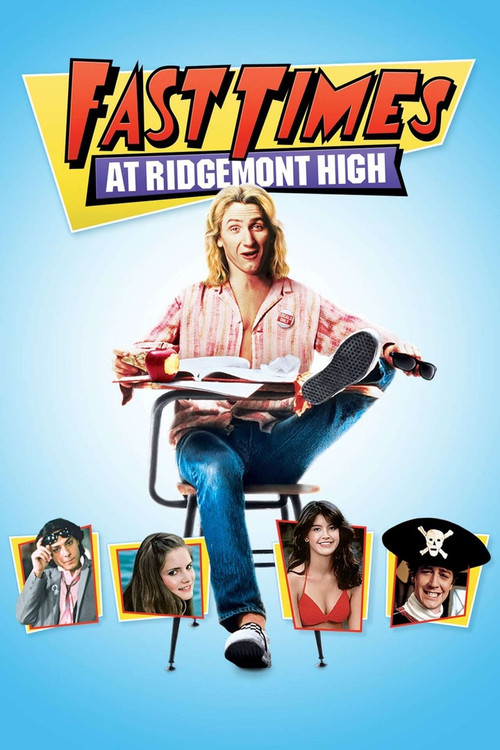
Fast Times at Ridgemont High serves as a transitional text that moves away from the highly moralistic, idealized teen archetypes common in the early 1980s. By prioritizing character-driven social dynamics and observational realism, the film offers a more sophisticated, postmodern texture compared to its contemporaries. The film successfully provides female characters with genuine ability to act and presents a multicultural student body that mirrors Southern California. It avoids using disability as a primary character trait by integrating such characters naturally into the social landscape. However, the film remains tied to the era's social norms. It lacks LGBTQ+ representation and does not use race or cultural identity as central narrative drivers, focusing primarily on traditional heterosexual relationships and social hierarchies.
Category Breakdown
The film focuses on traditional heterosexual relationships and romantic goals. It lacks prominent LGBTQ+ characters or narratives that question the assumption that everyone is straight or cisgender.
Female characters play significant roles in driving the story, especially Stacy Hamilton, who navigates emotional situations with independence. The film avoids portraying women as submissive, showing them as capable participants in the social world.
The student body reflects the diverse reality of Southern California. However, race is not used as a primary driver of conflict or identity in the story.
The narrative uses moral relativism to depict teenage misbehaviors through situational ethics. It frames adolescent rebellion as a normal part of growing up rather than a moral failing.
A student in a wheelchair is shown as a realistic part of the high school environment. These characters are integrated into the social fabric without their disability becoming the main focus of their story.
Present on Screen
Limited or Absent
Official Synopsis
A group of Southern-California high school students ignore their studies in favor of indulging in their teenage distractions.
1993

1982

1986

1987
1978

1978

1978

1994
No reviews yet. Be the first to share your thoughts on this movie!
Use the rating form above to leave a star rating and optional review.