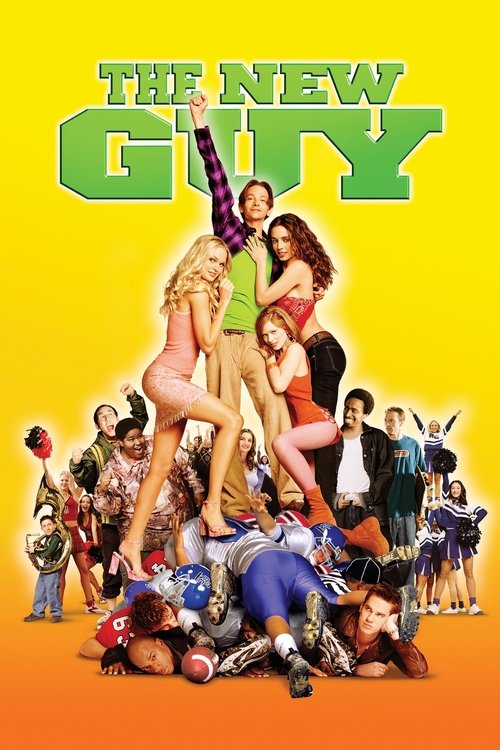
The New Guy
2002
No user ratings available yet
Representation score: 3.6 out of 10
Representation Score
Limited
1987
PG-13Director
Phil Joanou
Runtime
99 minutes
Average Rating
No ratings yetNew Showbiz Analysis
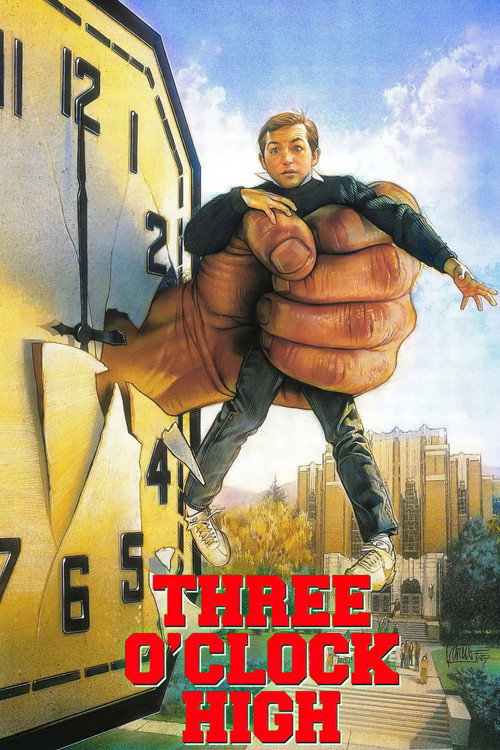
Three O'Clock High is a character-driven exploration of adolescent victimization, rooted in the demographic norms of 1980s teen cinema. It emphasizes psychological depth over broad social representation, focusing on the internal turmoil of a single protagonist. The film effectively dismantles the notion of stable educational authority, depicting a fragmented school hierarchy. However, this thematic depth is not complemented by diverse casting or characters who reflect more than one aspect of diversity. Ultimately, the narrative is a narrow examination of masculine archetypes—the bully and the victim—within a largely homogenous social context.
Category Breakdown
The film focuses solely on male relationships and conflicts, with no representation of LGBTQ+ identities or non-binary gender narratives.
The story revolves around male power struggles, failing the Bechdel test and lacking significant female influence or subversion of gender norms.
The high school setting is predominantly white and middle-class, with no characters of color having prominent roles.
The film portrays school administration as ineffective and explores moral ambiguity through the protagonist's paranoia, but does not critique broader societal issues.
The film highlights neurodivergence and mental health issues, with the protagonist's increasing paranoia being a central plot driver.
Present on Screen
Limited or Absent
Official Synopsis
Nerdy high schooler Jerry Mitchell is assigned to write an article for the school paper about the infamous new delinquent transfer student, Buddy Revell. When Jerry accidentally invades Buddy's personal space and touches him, Buddy challenges Jerry to an afterschool fight in the parking lot, which Jerry tries to avoid at all costs.
2002

1994
1993

1982
1984
1991
1985

1980
No reviews yet. Be the first to share your thoughts on this movie!
Use the rating form above to leave a star rating and optional review.