Fast Times at Ridgemont High
1982
No user ratings available yet
Representation score: 7.0 out of 10
Representation Score
Fair
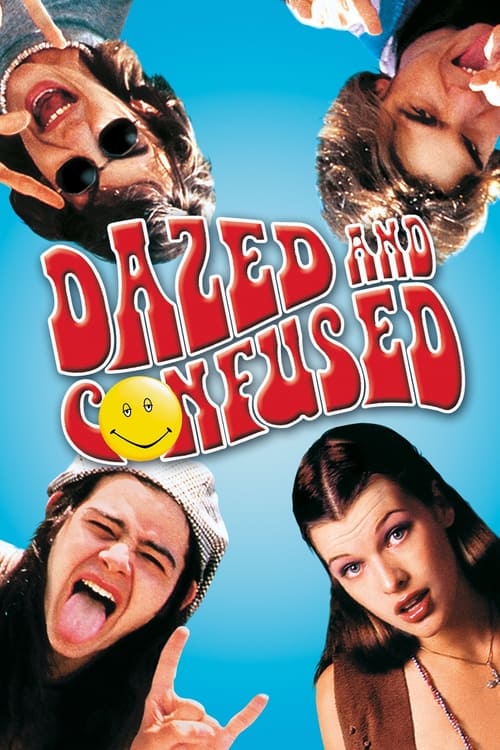
1993
RDirector
Richard Linklater
Runtime
102 minutes
Average Rating
No ratings yetNew Showbiz Analysis
Dazed and Confused offers a period-specific look at 1976 Texas, emphasizing the experiences of individual teenagers rather than broad demographic representation. While the film lacks formal representation of race, disability, and LGBTQ+ identities, it critiques traditional authority through a postmodern lens. The episodic structure celebrates anti-social behavior as genuine self-discovery, framing the disruption of traditional institutions as a natural part of human development. Ultimately, the film's strength lies in its portrayal of social fluidity and individual autonomy, despite its focus on a homogeneous social environment.
Category Breakdown
The film follows a conventional framework that assumes everyone is straight or cisgender. There are no clear critiques of these norms or prominent non-cisgender identities. The lack of queer subtext indicates a focus on the social norms of the time.
The story focuses heavily on male social groups and male hierarchies. However, female characters like Pink and Sally have distinct roles and act independently, rather than being submissive stereotypes.
The film portrays a predominantly white, middle-class demographic reflective of 1970s Austin. While it shows various socioeconomic levels, it lacks significant racial or ethnic diversity. Casting adheres strictly to the historical context of the setting.
The film highlights moral relativism and the dismantling of authority. It portrays underage drinking and drug use as integral to adolescent liberation, prioritizing individualistic rebellion over institutional guidance.
There are no significant characters with visible or invisible disabilities. The narrative focuses solely on the neurotypical, able-bodied adolescent experience, neglecting this dimension.
Present on Screen
Limited or Absent
Official Synopsis
The adventures of a group of Texas teens on their last day of school in 1976, centering on student Randall Floyd, who moves easily among stoners, jocks and geeks. Floyd is a star athlete, but he also likes smoking weed, which presents a conundrum when his football coach demands he sign a "no drugs" pledge.
1982

1982
2016

1987

1986

1994
1978
1979
No reviews yet. Be the first to share your thoughts on this movie!
Use the rating form above to leave a star rating and optional review.