Rampage
1986
No user ratings available yet
Representation score: 3.4 out of 10
Representation Score
Minimal
1989
RDirector
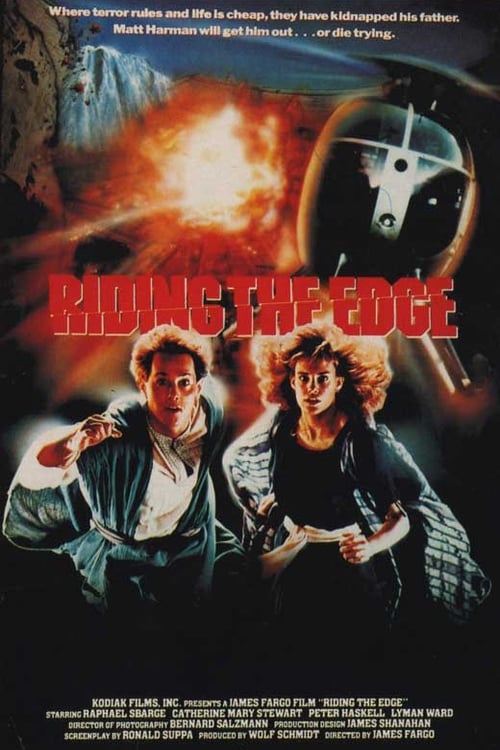
James Fargo
Runtime
110 minutes
Average Rating
No ratings yetNew Showbiz Analysis
Riding the Edge is a product of late-1980s action cinema, prioritizing individualistic heroism over complex social representation. The narrative follows a traditional hero's journey centered on a teenage cyclist performing a high-stakes rescue. The film adheres to the era's mainstream genre standards, focusing on physical conflict and masculine archetypes. This results in a lack of diverse storytelling and character's ability to drive the story. Ultimately, the film functions as a conventional genre piece that upholds established social hierarchies without challenging them.
Category Breakdown
The film does not include any LGBTQ+ identities. The storyline centers around a traditional father-son rescue mission, emphasizing conventional family ties.
The story heavily emphasizes masculine traits through its male protagonist. There is no indication of female empowerment or the disruption of traditional gender roles.
Set in the Middle East, the film may rely on stereotypical clichés common in 1980s action movies. The plot seems to follow a standard Western-centric structure.
The plot reinforces the 'lone hero' cliché typical of Western action films. It favors a straightforward good-versus-evil dynamic over nuanced cultural perspectives.
There is no mention of characters with physical or neurodivergent disabilities.
Present on Screen
Limited or Absent
Official Synopsis
Teenage cyclist rescues his dad from terrorists in the Middle East. "Iron Eagle" on a motorcycle.
1986
1995
1989
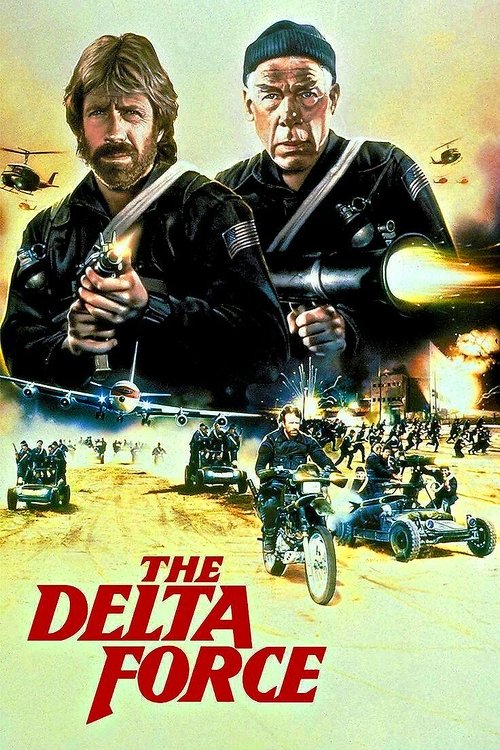
1986
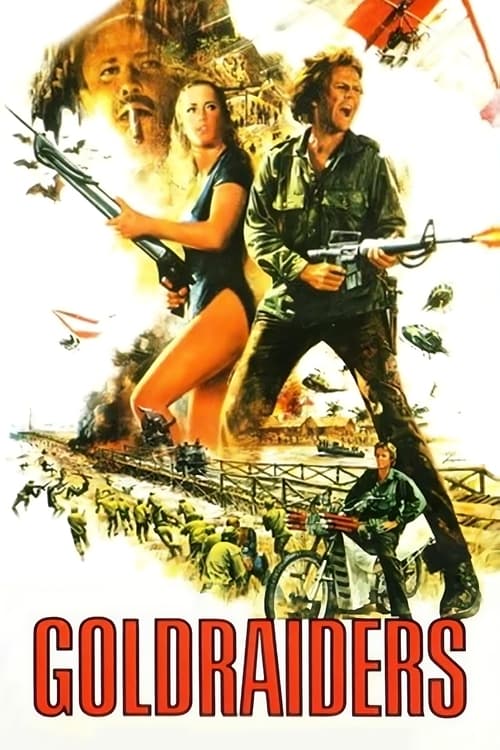
1982
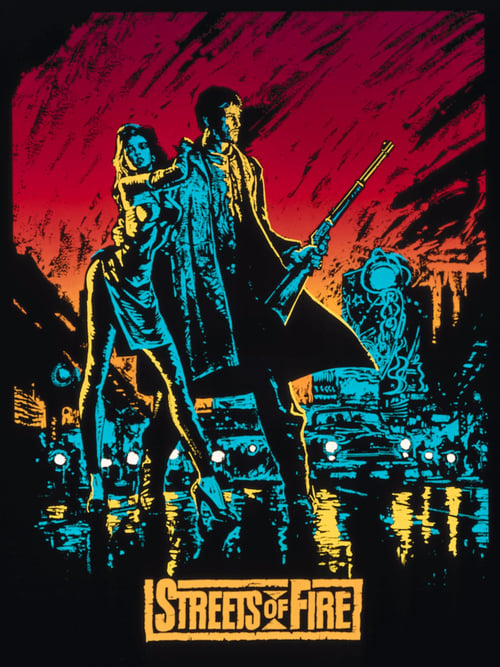
1984
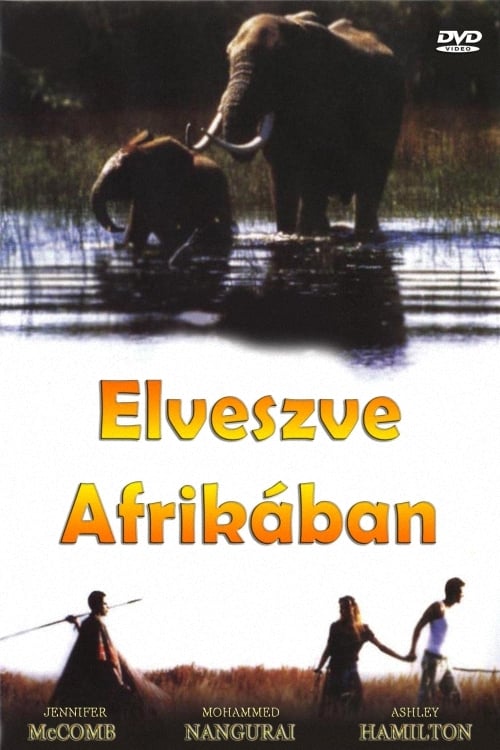
1994
1986
No reviews yet. Be the first to share your thoughts on this movie!
Use the rating form above to leave a star rating and optional review.