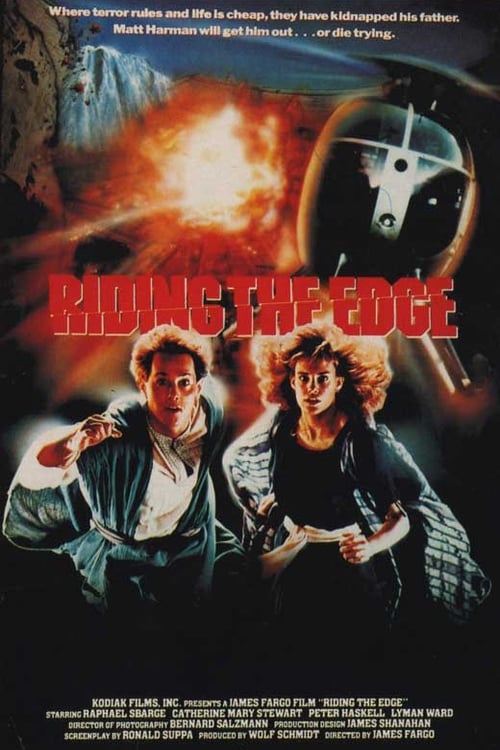
Riding the Edge
1989
No user ratings available yet
Diversity score: 2.6 out of 10
1989
RDirector
David A. Prior
Runtime
84 minutes
Average Rating
No ratings yetSynopsis
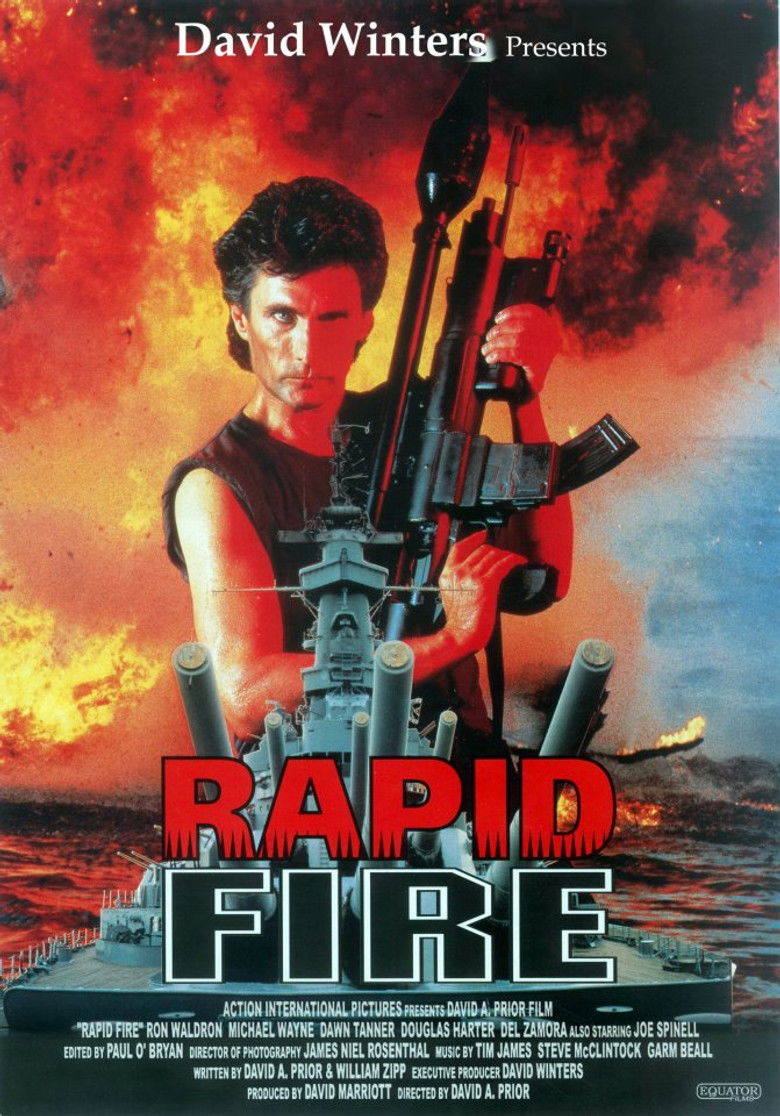
Mike Thompson is a former U.S. government agent whom is called on by his no-nonsense ex-employer Hanson to stop a terrorist named Mustapha who breaks out of a maximum security military prison aboard a battleship with the help from his aide Eddy Williams a former agent-turned-mercenary armed with an unstoppable rapid-firing, multi-use machine gun whom the U.S. government wants back at any cost. Mike is forced to rely on his former partner-in-crime Pappy, and a CIA agent named Corle, to help him try to track down Eddy hoping to lead him to Mustapha before they can plan their next terrorist strike.
Overall Score
Minimal
Category Breakdown
LGBTQ+ Representation
The film lacks any discernible presence of non-cisnormative or non-heteronormative identities. There are no depictions of same-sex intimacy or narratives engaging with LGBTQ+ perspectives.
Gender Representation
Male protagonists drive the narrative through physical agency and leadership. Female characters appear relegated to the periphery, serving as secondary figures rather than plot drivers.
Racial & Ethnic Diversity
The film utilizes the 'terrorist' trope through the antagonist Mustapha. There is no evidence of significant racial blending in central or intimate narrative roles.
Religious & Cultural Diversity
The plot reinforces Western institutional values by centering on U.S. government and CIA agents. It frames state authority as the primary moral stabilizer against external threats.
Disability Representation
There is no evidence of characters with visible or invisible disabilities. The focus remains strictly on physical prowess and combat capability.
Strengths
Areas for Improvement
AI Analysis
Rapid Fire is a quintessential product of late-1980s action cinema, prioritizing traditional masculine archetypes and linear conflict. The narrative structure relies heavily on established genre tropes, such as the rogue agent and the ethnicized antagonist, rather than exploring nuanced social identities. The film operates within a narrow framework of physical dominance and state authority. It lacks intersectional complexity, focusing instead on tactical hierarchies and the preservation of Western institutional order. Ultimately, the production adheres to the homogeneous demographic norms of its era, offering little in the way of social subversion or diverse representation.
No reviews yet. Be the first to share your thoughts on this movie!
Use the rating form above to leave a star rating and optional review.