
The Marine 6: Close Quarters
2018
No user ratings available yet
Representation score: 1.5 out of 10
Representation Score
Minimal
1984
PGDirector
Walter Hill
Runtime
93 minutes
Average Rating
No ratings yetNew Showbiz Analysis
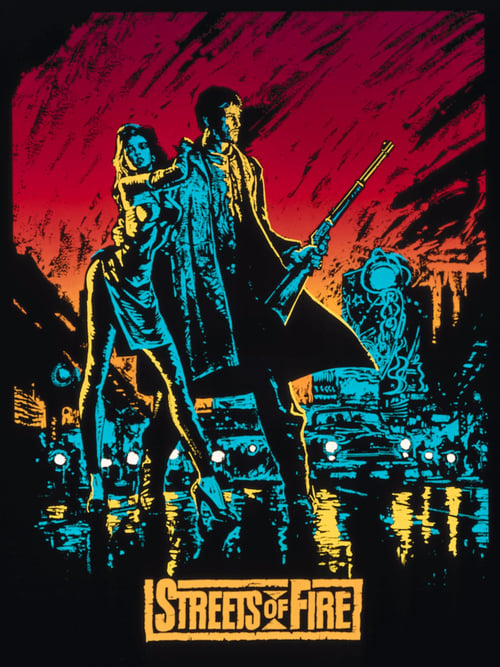
Streets of Fire is a highly stylized postmodern pastiche that prioritizes genre aesthetics over diverse representation. The film leans heavily into neo-noir and western frameworks, emphasizing traditional, individualistic heroic structures. The narrative structure reinforces conventional hierarchies by centering the story on mythic archetypes like the soldier and the outlaw. It avoids systemic social critiques or diverse perspectives. Ultimately, the work functions as a genre-specific fable, relying on classical noir clichés that favor a predominantly white, Anglo-Saxon aesthetic and traditional gender roles.
Category Breakdown
The film follows a strictly heterosexual and cisgender framework, focusing on the romantic relationship between Tom Cody and Ellen Aim. There are no characters with non-traditional gender identities.
Ellen Aim is portrayed as a professional rock star, but her role in the story is largely reactive. The plot relies on traditional masculine archetypes such as physical combat and prowess to resolve conflicts.
The cast is predominantly white, reflecting a stylized, mythic American urban landscape. Characters are defined by archetypal roles rather than diverse or multi-layered ethnic identities.
The narrative centers on a 'Rock & Roll Fable' that emphasizes personal codes of honor. It prioritizes individualist hero journeys over systemic or collective social critiques.
There are no prominent depictions of visible or invisible disabilities that serve as central character arcs or meaningful representations within the narrative.
Present on Screen
Limited or Absent
Official Synopsis
Raven Shaddock and his gang of merciless biker friends kidnap rock singer Ellen Aim. Ellen's former lover, soldier-for-hire Tom Cody, happens to be passing through town on a visit. In an attempt to save his star act, Ellen's manager hires Tom to rescue her. Along with a former soldier, they battle through dangerous cityscapes, determined to get Ellen back.
2018

1978

1990

1971

1985

1966

2006

1978
No reviews yet. Be the first to share your thoughts on this movie!
Use the rating form above to leave a star rating and optional review.