Hobo
1992
No user ratings available yet
Representation score: 6.0 out of 10
Representation Score
Fair
1997
TV-PGDirector
Lexy Lovell, Michael Uys
Runtime
72 minutes
Average Rating
No ratings yetNew Showbiz Analysis
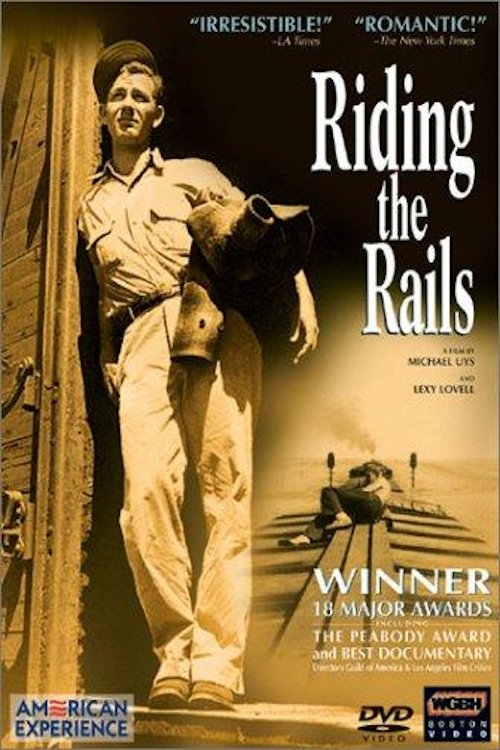
Riding the Rails effectively strips away the romanticized myths surrounding the American hobo lifestyle, revealing the hardships of the Great Depression. By focusing on systemic failures and personal dispossession, the film provides a powerful critique of economic instability and institutional shortcomings. However, its narrow historical focus limits its diversity. The absence of explicit LGBTQ+ representation and a lack of clear evidence regarding racial ability to act prevent a more inclusive assessment. The narrative remains heavily centered on a traditionally masculine-coded historical context.
Category Breakdown
The film does not include any visible LGBTQ+ characters or stories. It focuses solely on the socio-economic conditions of the Great Depression era.
The story centers on the life of hobos, a role traditionally associated with masculinity. While it may challenge romanticized male stereotypes, the overall focus remains on a traditionally male-dominated theme.
The film examines the systemic dispossession during the Great Depression. However, it does not show any clear evidence of non-white individuals taking significant roles or having diverse perspectives.
The documentary dismantles the romanticized myths of American mobility by emphasizing the harsh realities of systemic struggles. It prioritizes the lived experiences of those affected by poverty over sanitized historical accounts.
The film touches on the physical and mental impacts of poverty. It highlights the long-term effects of trauma and the resilience needed for survival.
Present on Screen
Limited or Absent
Official Synopsis
Riding the Rails offers a visionary perspective on the presumed romanticism of the road and cautionary legacy of the Great Depression. The filmmakers relay the experiences and painful recollections of these now-elderly survivors of the rails. Forced to travel more by economic necessity than the spirit of adventure, the film's subjects dispel romantic myths of a hobo existence and its corresponding veneer of freedom. Riding the Rails recounts the hoboes' trade secrets for survival and accounts of dank miseries, loneliness, imprisonment, death, and dispossession. Sixty years later, the filmmakers transport their subjects back to the tracks, where the surging impact of sound and movement resuscitates memories of a shattered adolescence and devastating rite of passage.
1992

2000
2000
1978
2003
2000

1984

2004
No reviews yet. Be the first to share your thoughts on this movie!
Use the rating form above to leave a star rating and optional review.