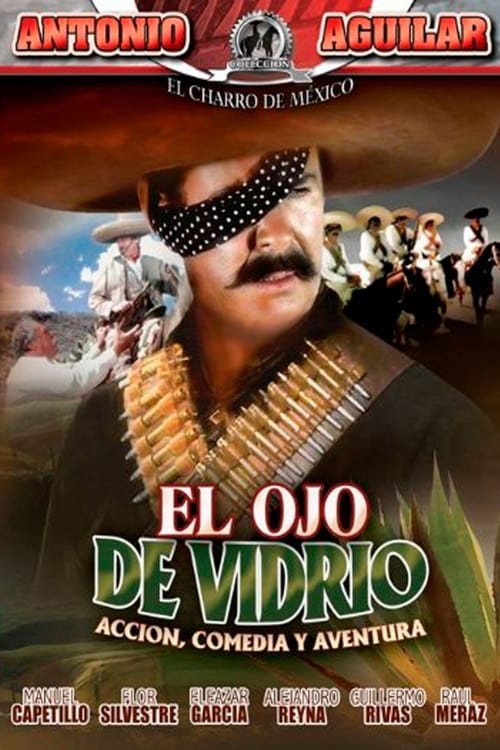
El ojo de vidrio
1969
No user ratings available yet
Representation score: 2.1 out of 10
Representation Score
Limited
1973
Not RatedDirector
René Cardona Jr.
Runtime
85 minutes
Average Rating
No ratings yetNew Showbiz Analysis
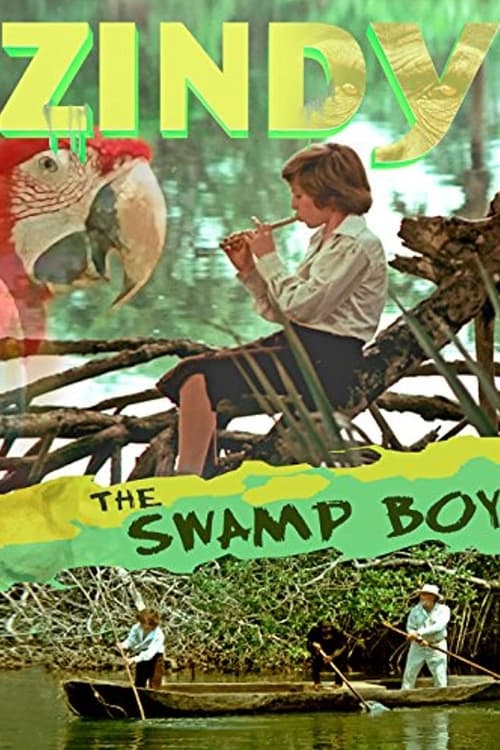
Zindy, the Swamp Boy offers a localized counter-narrative to Western-centric cinema. Its main strength lies in its authentic depiction of Mexican rural life and its focus on non-white, working-class populations. However, the film remains narrow in its social scope, lacking engagement with LGBTQ+ themes and maintaining a strictly male-dominated perspective. Ultimately, while it effectively critiques socioeconomic structures, it fails to address broader multi-layered identities.
Category Breakdown
The film focuses on traditional family structures and does not include any non-straight or non-cisgender identities.
The story centers around a male-dominated relationship between a grandfather and his grandson, emphasizing traditional gender roles without challenging them.
The film highlights authentic regional representation with a Mexican cast, emphasizing a non-white and non-Anglo-Saxon perspective.
The narrative critiques socioeconomic structures by focusing on the struggles of the rural poor, prioritizing the experiences of underrepresented communities over traditional Western institutions.
The film explores physical hardships in a swamp environment but does not specifically portray neurodivergence or physical disabilities as central character arcs.
Present on Screen
Limited or Absent
Official Synopsis
The story is about a fugitive who lives apart from society in a jungle area with the company of his grandson
1969
1985
1981

1964
1970
1970
1979
1982
No reviews yet. Be the first to share your thoughts on this movie!
Use the rating form above to leave a star rating and optional review.