
28 Hotel Rooms
2012
No user ratings available yet
Representation score: 4.2 out of 10
Representation Score
Limited
1998
Director
Dan Sallitt
Runtime
90 minutes
Average Rating
No ratings yetNew Showbiz Analysis
Honeymoon is a character study focused on the challenges of sudden domesticity and interpersonal communication. While it offers a nuanced portrayal of female empowerment through Mimi's autonomous decisions, the film remains anchored in conventional romantic drama structures. The narrative includes specific ethnic representation through its lead casting but lacks broader multi-layered depth. It primarily functions within a middle-class, Western socio-cultural context, focusing on individual relationships rather than broader social hierarchies. Overall, the film's limited engagement with systemic power dynamics or diverse social identities results in a moderate diversity profile.
Category Breakdown
The film focuses solely on a heterosexual romance and does not include any LGBTQ+ characters or narratives that challenge traditional romantic structures.
Mimi plays a significant role in the story by taking decisive action, which shifts the power dynamic away from traditional gender roles. The film emphasizes emotional negotiation over rigid feminine stereotypes.
David Krumholtz's casting adds Jewish identity to the central dynamic. However, the film's setting reflects a homogeneous urban professional environment, with limited multi-ethnic casting.
The film operates within a typical Western romantic drama framework, depicting middle-class urban life and focusing on interpersonal relationships rather than broader cultural critiques.
There are no visible or invisible disabilities that play a central role in the narrative or the character arcs of the protagonists.
Present on Screen
Limited or Absent
Official Synopsis
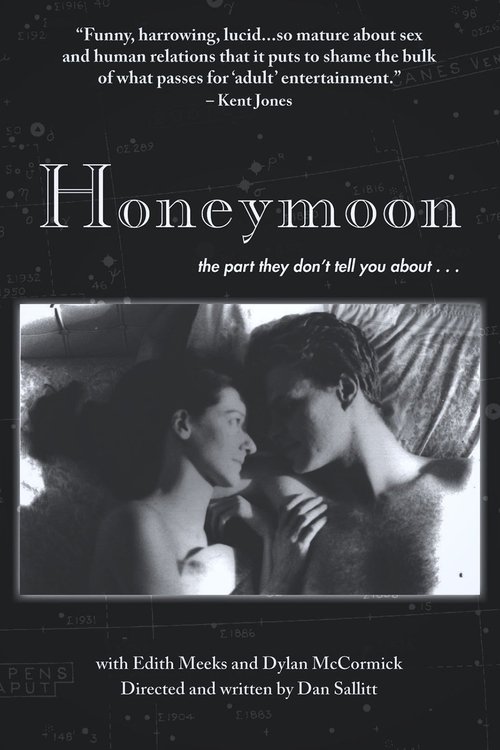
Mimi and Michael are close friends after a brief and unsuccessful dating interlude years before. Michael has remained in love with Mimi over the years, but Mimi, who has just broken up with her long-time boyfriend, seems willing to try romance with Michael a second time. The spark between them is kindled again, however, during a weekend picnic outing, Mimi, suddenly enthusiastic, proposes to Michael abruptly. The two marry and head off on a honeymoon to Pennsylvania without ever having slept with each other.
2012

1992

2006

2003

2000

1999

2011

1988
No reviews yet. Be the first to share your thoughts on this movie!
Use the rating form above to leave a star rating and optional review.