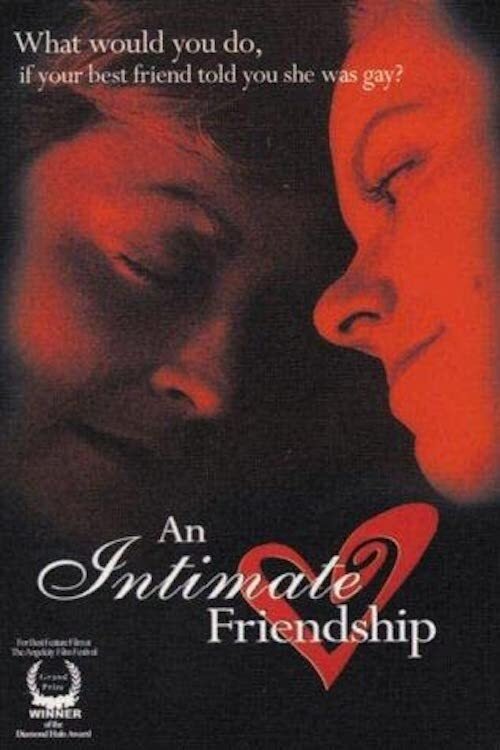
An Intimate Friendship
2000
No user ratings available yet
Representation score: 3.6 out of 10

Representation Score
Fair
2000
Director
Marion Vernoux
Runtime
105 minutes
Average Rating
No ratings yetNew Showbiz Analysis
Empty Days is a character-driven drama that focuses on psychological depth rather than broad demographic representation. It succeeds in deconstructing social hierarchies by emphasizing the emotional journey of its female protagonist and the shared vulnerability of unemployment. However, the film remains tied to a traditional framework, lacking visible representation of diverse racial or LGBTQ+ identities. Ultimately, it provides a nuanced critique of Western social institutions while missing opportunities for broader diversity.
Category Breakdown
The film follows a romantic relationship between a man and a woman within a conventional straight-centered framework, showing no explicit evidence of LGBTQ+ identities.
The story centers around the emotional journey of a working-class woman, challenging traditional gender stereotypes by highlighting her psychological depth and active role. It also explores the shared vulnerability of unemployment among both main characters.
The narrative appears to follow a predominantly white cast with no evidence of a multi-ethnic or racially diverse cast.
The film critiques Western social structures such as marriage and career through the lens of social displacement, emphasizing individual emotional truth over institutional loyalty.
There is no evidence regarding the portrayal of physical or neurodivergent disabilities in this work.
Present on Screen
Limited or Absent
Official Synopsis
An executive and a dowdy working-class woman, both unemployed, married and parents meet at a supermarket. They become friends but find it hard to accept that they may be in love with each other.
2000

1995

1996

1966

1996

1987

1999

1999
No reviews yet. Be the first to share your thoughts on this movie!
Use the rating form above to leave a star rating and optional review.