No Barking
1954
No user ratings available yet
Diversity score: 1.5 out of 10
1947
Director
Chuck Jones
Runtime
7 minutes
Average Rating
No ratings yetSynopsis
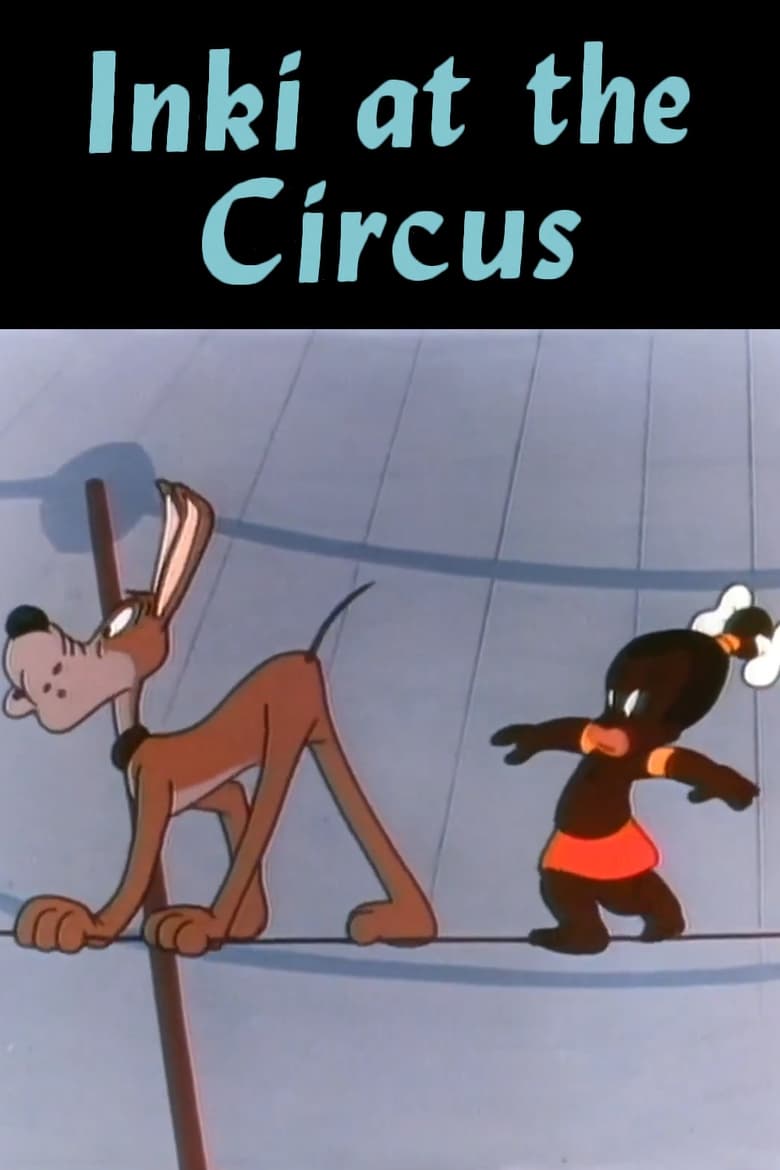
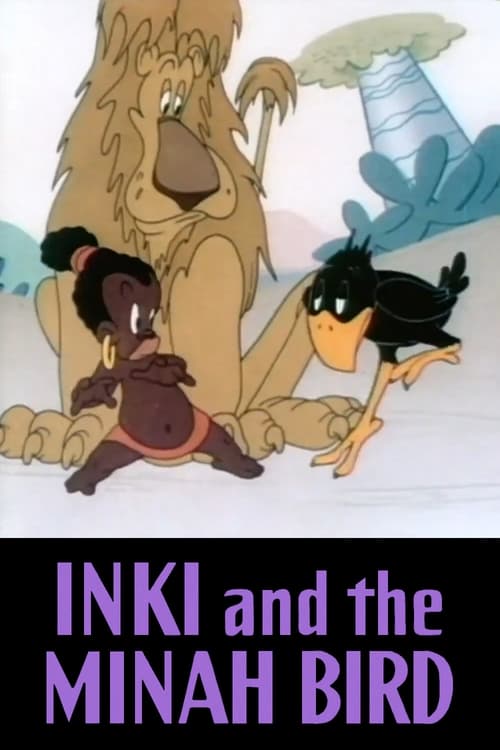
Sitting dejected in a circus cage, billed as an African "wildman," Inki becomes the target of two dogs, both of them after the bone in his topknot. But luckily for Inki, the mysterious minah bird, syncopated hop and all, has also been captured and sent to the same circus.
Overall Score
Minimal
Category Breakdown
LGBTQ+ Representation
The film lacks any depiction of LGBTQ+ characters or non-cisnormative identities. The narrative focuses entirely on situational conflicts between animal characters.
Gender Representation
The story centers on anthropomorphized animals rather than human gender dynamics. There is no evidence of gendered power hierarchies or subversions.
Racial & Ethnic Diversity
The protagonist is billed as an 'African wildman,' a descriptor that utilizes problematic racialized tropes. This framing reinforces colonial-era hierarchies for circus spectacle.
Religious & Cultural Diversity
The circus setting operates within standard Western entertainment norms. The film does not engage with religious critique or the deconstruction of cultural institutions.
Disability Representation
No characters with physical or neurodivergent disabilities are portrayed. There is no evidence of disability being used to explore thematic depth or agency.
Strengths
Areas for Improvement
AI Analysis
Inki at the Circus is a product of the mid-century studio system, reflecting the social frameworks of 1947. While Chuck Jones's direction provides sophisticated comedic timing, the content relies on dated and harmful characterizations. The film's primary diversity failure lies in its use of the 'African wildman' trope. This framing treats a character of color as a spectacle, reinforcing racialized caricatures rather than offering meaningful representation. Overall, the work lacks intersectional depth, focusing on animal rivalry within a traditional Western entertainment structure without addressing broader social or identity-based themes.
1954
1941
1939
1949
1943
1942
1942
1930
1944
1931
1947
1932
No reviews yet. Be the first to share your thoughts on this movie!
Use the rating form above to leave a star rating and optional review.