
Seven Days to Noon
1950
No user ratings available yet
Representation score: 1.7 out of 10
Representation Score
Minimal
1959
NRDirector
Irving Lerner
Runtime
81 minutes
Average Rating
No ratings yetNew Showbiz Analysis
City of Fear reflects its historical context, characterized by traditional casting and rigid gender roles. While it avoids overt harmful stereotypes, it lacks the intentionality needed for meaningful characters who reflect more than one aspect of diversity. The film's primary strength lies in its portrayal of moral ambiguity and the breakdown of traditional Western institutions. It offers a sophisticated look at political paranoia. Ultimately, the work serves as a period piece that mirrors the cinematic norms of 1959, prioritizing genre-driven tension over diverse character perspectives.
Category Breakdown
The film does not include any LGBTQ+ characters or explore non-straight relationships. It follows the social and cinematic norms of the late 1950s.
Female characters are mostly secondary figures or love interests. The story emphasizes traditional masculine leadership roles typical of the noir genre.
The cast is mainly white and homogeneous, reflecting its 1959 production context. There is no significant representation of non-Anglo-Saxon identities.
The film examines the collapse of Western institutions in post-war Berlin. It delves into moral ambiguity and the instability of political structures.
There are no characters with visible or invisible disabilities. The focus is on psychological espionage tension rather than disability issues.
Present on Screen
Limited or Absent
Official Synopsis
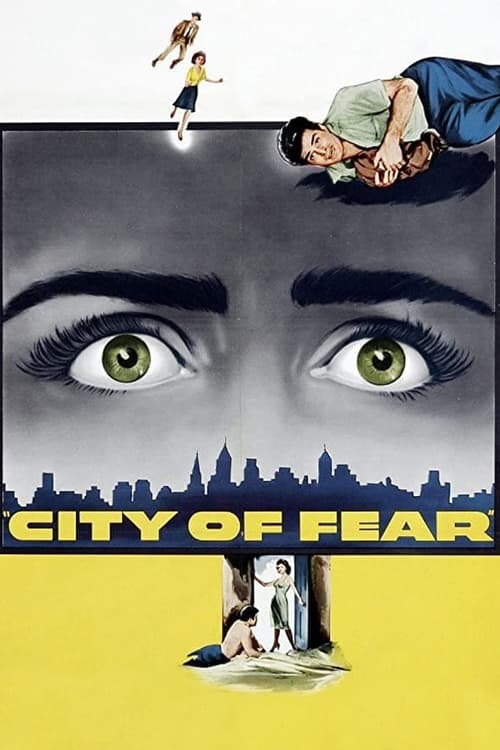
An escaped convict gets a hold of some radioactive material after his escape. Authorities desperately try to find the man that unknowingly is threating the lives of everyone in the city.
1950
1962
1968
1975
1953
1974
1945

1955
No reviews yet. Be the first to share your thoughts on this movie!
Use the rating form above to leave a star rating and optional review.