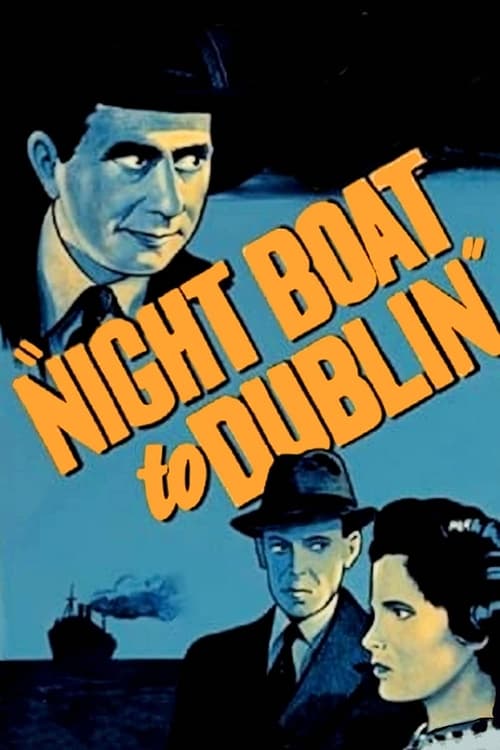
Night Boat to Dublin
1946
No user ratings available yet
Diversity score: 1.9 out of 10

1957
ApprovedDirector
Robert C. Dertano
Runtime
60 minutes
Average Rating
No ratings yetSynopsis
An Eastern European escapes to America, where Communist agents try to track him down.
Overall Score
Limited
Category Breakdown
LGBTQ+ Representation
The film contains no evidence of non-heteronormative identities. It appears to adhere to the strict social norms typical of 1957 cinema.
Gender Representation
The narrative likely centers on male-driven espionage and physical agency. It lacks evidence of subverting traditional gender hierarchies or portraying masculinity in non-traditional ways.
Racial & Ethnic Diversity
The story focuses on an Eastern European protagonist seeking asylum. While this provides a non-Anglo-Saxon perspective, it follows a traditional immigrant narrative common to the era.
Religious & Cultural Diversity
The film promotes Western democratic ideals against Communist collectivism. It functions as a defense of Western political structures rather than a deconstruction of them.
Disability Representation
There is no information regarding the inclusion of characters with visible or invisible disabilities.
Strengths
Areas for Improvement
AI Analysis
Journey to Freedom is a Cold War-era thriller that prioritizes geopolitical tension over social intersectionality. The plot centers on an Eastern European escaping to America to evade Communist agents, a framework that reinforces mid-century ideological binaries. Because the film focuses on the struggle between individual liberty and state surveillance, it serves to bolster Western political identity. The narrative architecture follows traditional tropes of the period, emphasizing political asylum and democratic values. Ultimately, the film reinforces the mid-century status quo. It lacks the complexity required to challenge social hierarchies, focusing instead on the era's specific ideological conflicts.
1946
1973
1948
1939
1945
1958

1950
1959
1953
1953

1964
1945
No reviews yet. Be the first to share your thoughts on this movie!
Use the rating form above to leave a star rating and optional review.