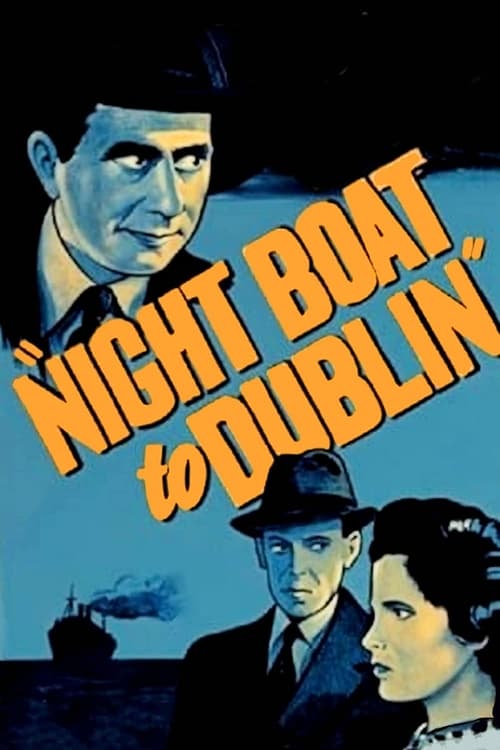
Night Boat to Dublin
1946
No user ratings available yet
Representation score: 0.4 out of 10

Representation Score
Minimal
1950
Not RatedDirector
John Boulting, Roy Boulting
Runtime
94 minutes
Average Rating
No ratings yetNew Showbiz Analysis
Seven Days to Noon is a politically charged thriller that prioritizes ideological subversion over demographic diversity. While the film lacks representation for LGBTQ+ individuals, diverse racial groups, or people with disabilities, it excels in its cultural critique of institutional authority. The narrative functions as a deconstruction of the security versus morality paradigm. By framing a scientist's defiance as a justified response to systemic corruption, the film challenges the perceived moral superiority of Western state power. Ultimately, the film's impact stems from its intellectual depth and its willingness to place an individual in direct opposition to the state, even as it remains tied to the social hierarchies of its time.
Category Breakdown
The film follows mid-20th-century conventions that assume everyone is straight and cisgender. There are no signs of queer themes or non-cisgender identities among the characters.
Key plot points such as scientific discovery and political maneuvering occur in a male-dominated environment. Ann serves as a mediator in a traditional daughter role without challenging gendered power structures.
The cast is mostly uniform, reflecting the era's limited diversity in cinema. The story centers on the anxieties of the Western scientific community without much racial or ethnic diversity.
The film provides a nuanced critique of the military-industrial complex. It questions traditional patriotism by portraying state weaponry as a threat to humanity.
There are no prominent depictions of visible or invisible disabilities. Characters are characterized by professional intellect and psychological resilience rather than physical or neurodivergent traits.
Present on Screen
Limited or Absent
Official Synopsis
When Professor Willingdon becomes wary of the nuclear weapons he is helping build, he steals a warhead and threatens to detonate it in London in seven days unless the government begins nuclear disarmament. As Willingdon goes into hiding, Detective Folland of Scotland Yard sets out to find him. Willingdon's daughter Ann also joins the cause, hoping she can talk sense into her father before he causes a catastrophe.
1946
1943
1959
1963

1952

1952
1945
1974
No reviews yet. Be the first to share your thoughts on this movie!
Use the rating form above to leave a star rating and optional review.